
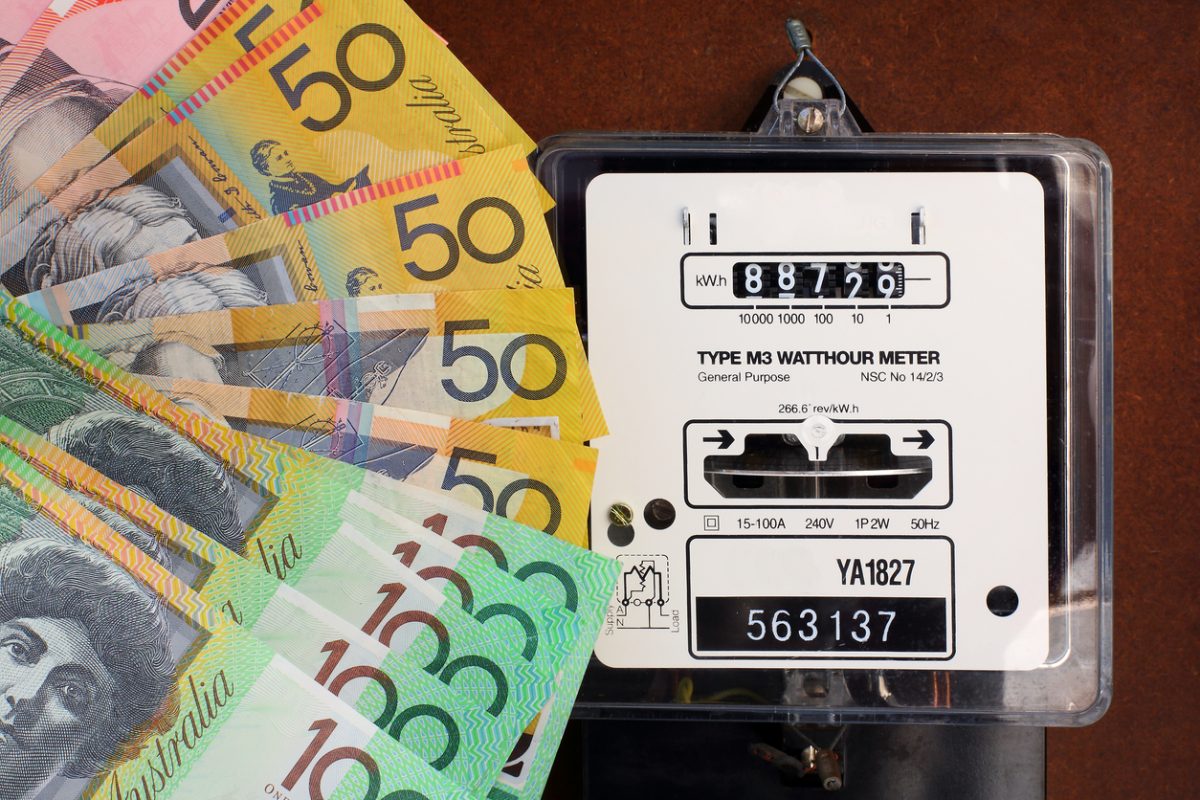
Australians will continue to pay too much for electricity while the system remains reliant on ageing fossil fuel infrastructure, says the Climate Council. Photo: File.
Australians are paying too much for their power and will continue to do so while it relies too much on coal-fired power stations and gas.
That’s the take-out from the Climate Council’s new report, which says Australia remains “heavily reliant” on old fossil fuel infrastructure and it is costing households more than they should be paying for energy.
The report Power Games: Who’s Driving High Power Bills? was released on Wednesday (25 February) and says the nation’s electricity system is designed to penalise loyalty, charging customers when they don’t switch retailers.
“Power prices are complex and it can be hard to know what’s really going on. In short, there are three key drivers behind our high power prices,” the report states.
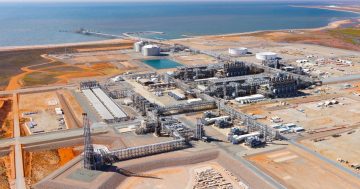
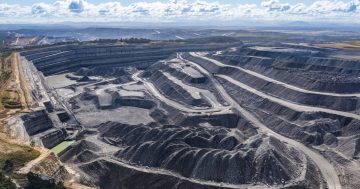
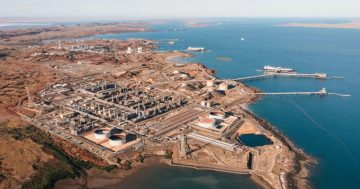
The first is that Australia remains heavily reliant on ageing coal-fired power stations and expensive gas and that dependence is pushing power prices higher.
“Since Australia began exporting gas from the east coast, gas prices have surged, leaving Aussies exposed to volatile international markets,” it states.
“At the same time, Australia’s ageing coal fleet is breaking down more often, driving some of the worst price spikes seen in recent years.”
Secondly, network costs surged between 2007 and 2015 thanks to years of unnecessary over-investment in poles and wires, which are still being paid off.
The third driver is that millions of Australians are being overcharged for electricity in a system that penalises loyalty.
“Australia’s largest polluters are among the biggest culprits and have recently been fined for overcharging and misleading customers,” the report says.
The Climate Council says a jump in domestic gas prices is the main reason electricity prices are so high, but households could save $291 on average by switching to a better offer.
Although gas provides only about five per cent of electricity in Australia, it sets the wholesale electricity price up to 90 per cent of the time, the report states.
“This year, many of us will be paying significantly more than we have been over the past 18 months as the energy bill rebates come to an end,” the Climate Council said in a statement.
“It’s clear that the way we power ourselves is no longer working for Australian communities and businesses.”
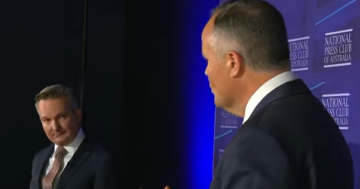
Climate Change and Energy Minister Chris Bowen said the report backed up the Federal Government’s position that gas and coal have an “oversized impact” on general energy prices because ageing infrastructure had too much influence on supply prices.
“What all that means is it’s even more important to keep on with the job of replacing that ageing infrastructure with new infrastructure, with the very well-balanced commonsense plans we have in place, to ensure as much new supply is coming on as quickly as possible,” the Minister said.
On a separate but related front, the Minister pointed out the latest data which showed greenhouse gas emissions had fallen over the past year.
They were down 1.9 per cent in the year to September 30.
Emissions in transport had reduced 0.4 per cent over the year, which is the first time a drop has been recorded in that area other than during the pandemic.
But transport emissions remain 23 per cent higher compared to 2005 levels
Mr Bowen said while a year moving in the right direction didn’t translate to an actual energy transition, it was a sign of good progress.
“It’s a small reduction. You know, I’m not getting ahead of myself,” he said.
“But when you consider it, it has been so hard to abate and people moving around more is not a bad thing.
“We want to see that emissions intensity come down.”
The Minister also attributed the drop in transport emissions to the growing success of the Federal Government’s EV policies.
Those policies focus on tax exemptions, infrastructure investment and efficiency standards to encourage increasing adoption of electric vehicles.
Original Article published by Chris Johnson on Region Canberra.