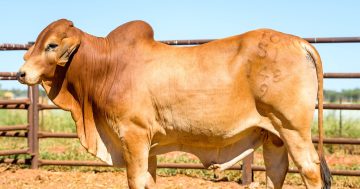

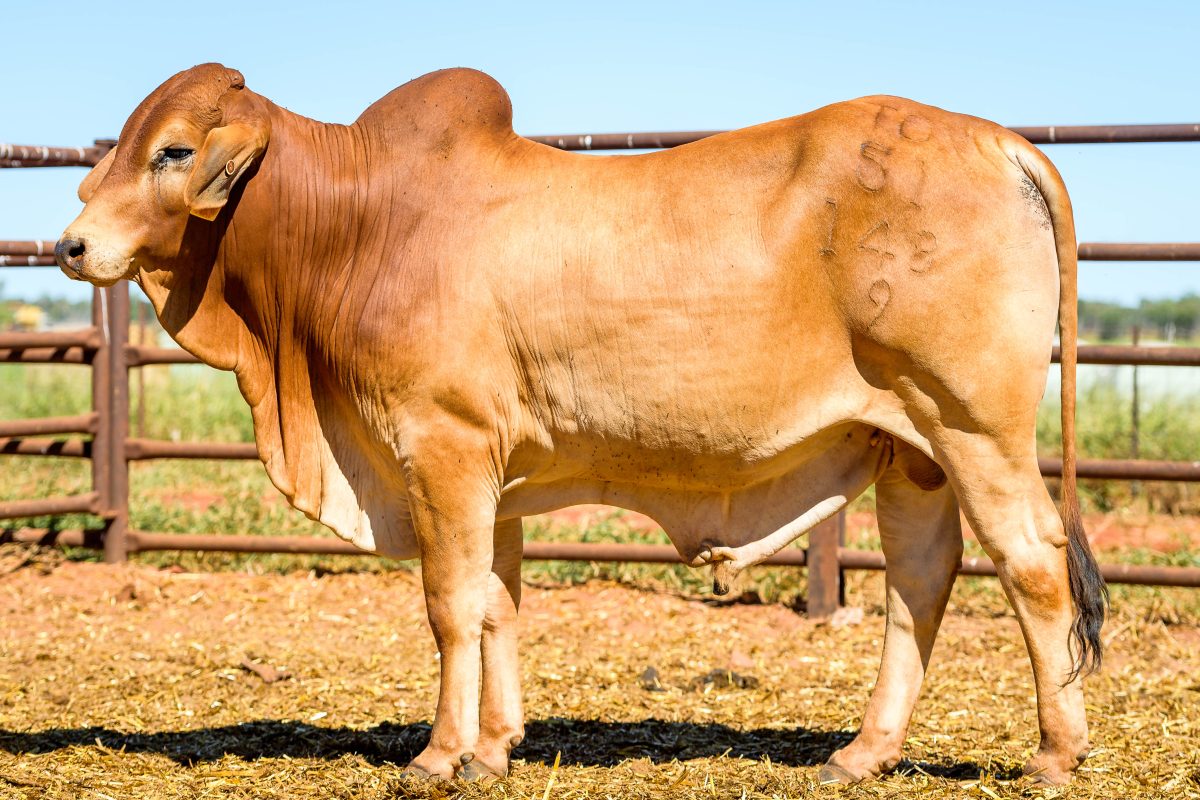
The NT’s livestock sector is worth about $1 billion, which is why the territory’s already strict biosecurity measures are being strengthened following the discovery of lumpy skin disease in Indonesia. Photo: NT Department of Agriculture and Fisheries.
The Northern Territory’s CLP Government has reviewed the territory’s biosecurity defences after the detection of lumpy skin disease (LSD) in Bali last January.
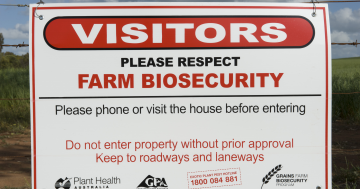
Australia remains free from LSD, an infectious disease affecting cattle, and foot and mouth disease, due largely to stringent biosecurity requirements.
Minister for Agriculture and Fisheries Gerard Maley said although the detection of LSD in the northern neighbour was notable, it was not unexpected as LSD had been present in Indonesia since March 2022, being reported across 21 of the country’s 38 provinces.
“Territorians can be confident — Australia remains free of lumpy skin disease, and we are not taking anything for granted,” Mr Maley said.
“2026 is our year of growth, certainty and security, and strong biosecurity is central to delivering that certainty for our pastoralists and livestock exporters.
“Our government is focused on protecting jobs, protecting industry and protecting our economy. Strong biosecurity underpins market access, and market access underpins territory jobs.”
The NT’s Chief Veterinary Officer has coordinated with the Northern Territory Cattlemen’s Association (NTCA) and the NT Livestock Exporters Association to reinforce the territory’s defences against invasive disease.
Updates to biosecurity training for pastoralists will begin in 2026, coinciding with the release of a new Northern Australian Cattle Disease Guide, which will be distributed to industry through the NTCA.
In addition, recommendations from Exercise Raintree, which tested the territory’s readiness to respond to an LSD scenario, will be provided to industry.
“Exercise Raintree was a good test of our systems and interoperability with other northern jurisdictions,” Mr Maley said.
”We will continue strengthening our capability so that if a threat emerges, we act quickly, decisively and in partnership with industry.”
NTCA CEO Romy Carey said proactive communication between the territory’s government and the industry was critical to protecting the NT.
“It was constructive to meet with the territory’s Chief Veterinary Officer to discuss preparedness and confirm that our biosecurity settings remain strong and appropriate,” Ms Carey said.
“Biosecurity management plans are fundamental to industry readiness. We welcome the opportunity to deliver further industry training and engagement, working alongside government to strengthen preparedness, maintain confidence and protect market access.”
On the federal level, the Australian Government is continuing to monitor the situation, supporting the Indonesia reponse by supplying more than 1.4 million LSD vaccine doses and funding the CSIRO with $1.65 million for the Australian Centre for Disease Preparedness to bolster its technical laboratory capacity.
Work will continue between industry and the NT and Federal governments to keep the Top End defended, protecting industry, business, livestock and crops.