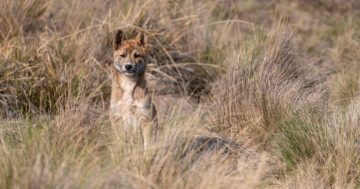
The government continues to monitor the situation. Photo: Diego Cervo.
The Western Australian Labor Government has taken part in a national meeting of Federal, Territory and State environment and agriculture ministers, dealing with the ongoing H5 bird flu situation.
Evidence of local transmission has been identified among Australian Greater Crested Terns in South Australia. After this development, the Consultative Committee on Emergency Animal Diseases confirmed that eradication of the flu in wildlife is not technically possible.
Keeping in mind the potential of more spreading, nationally agreed-upon arrangements have been put in place to support continuing response efforts, focused primarily on minimising wildlife impacts as well as impacts to human health and agricultural industry.
Western Australia’s Environment Minister Matthew Swinbourn attended the meeting and committed, along with other ministers, to continue to work closely as the nation reacts to the situation.
“There have been more than 2,400 reports to the WA Emergency Animal Disease Hotline since 19 June, and I thank Western Australians for their continued vigilance,” Environment Minister Matthew Swinbourn said.
“Anyone who sees sick or dead birds or marine mammals should AVOID contact with them, including not handling the birds or animals. They should then RECORD what they have seen by taking photos or a video. Finally, they should REPORT what they have seen to the Emergency Animal Disease Hotline on 1800 675 888.”
Currently, there is no evidence of large-scale deaths in wildlife, nor any evidence of infections shifting to poultry or anywhere else in the agricultural production system.
During the last two months, the poultry industry has seen targeted engagement with local government, veterinarians and wildlife rehabilitators as well as proactive activities such as increased surveillance and PPE distribution to major wildlife care organisations.
Further preparations for the next phase of the response are already underway, with operational arrangements being organised across the state.
Numerous departments across various governmental levels are working together, including the Department of Biodiversity, Conservation and Attractions, the Western Australian Local Government Association (WALGA), federal agencies and other stakeholders.
For the public, advice remains to Avoid, Record and Report suspected cases of the bird flu. The Emergency Animal Disease (EAD) Hotline is 1800 675 888
More updates can be found online.