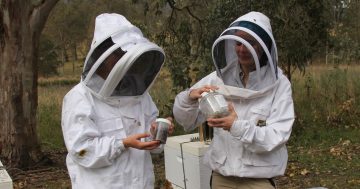
Western Australia’s strict regimen of biosecurity checks has led to a uniquely healthy population of bees. Photo: Western Australian Government.
Western Australia is helping out the South Australian agricultural sector, transporting more than 7500 beehives to provide critical pollination services for the almond industry.
One of the largest commercial consignments of live beehives to leave WA in recent years, it aims to address shortfalls in pollination services caused by the spread of the varroa mite.
Western Australia is free from varroa mite and other exotic bee pests and diseases found elsewhere in the nation, putting that state’s bee population in a uniquely strong position.
“Western Australian bees are already renowned for producing some of the world’s finest honey, and now they will play an important role supporting South Australia’s almond industry,” WA Agriculture and Food Minister Jackie Jarvis said.
“Our government will continue working closely with industry and the thousands of registered beekeepers across the state to strengthen biosecurity and protect Western Australia’s unique biodiversity.”
The local bee industry’s pest-free status reflects the State Government’s consistent efforts to protect WA’s biodiversity and agricultural industries.
These measures include strict border controls, early detection systems, targeted surveillance, industry partnerships, and inspections of apiaries and hives.
The sale of the bees to South Australia has been supported by the Bee Industry Council of Western Australia (BICWA), which connects buyers with interested beekeepers.
Hives set to be sold have been consolidated at three collection points — Esperance, Donnybrook and Gingin — before their transportation to South Australia.
Participating apiaries have been checked with health inspections and certification by Primary Industries and Regional Development officers before transport.
Inspections are critical to managing biosecurity risks when hives are brought together for large-scale pollination, such as during almond season.
The hives are set to arrive in South Australia before the almond flowering period, when demand for pollination services reaches its peak.