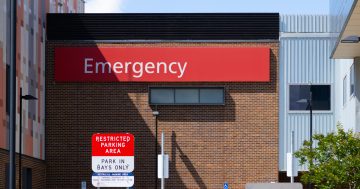
The virtual hospital program seeks to provide rural Victorians with the care they may struggle to access outside of major centres. Photo: Victorian Health Building Authority.
In an effort to reduce the strain on the state’s healthcare system, the Victorian Government is expanding the Virtual Hospital pilot program, which it says makes it easier for Victorians to access the care they need.
The expansion was announced by Acting Premier Ben Carroll and Health Minister Mary-Anne Thomas. It will be led by Austin Health and the Royal Melbourne Hospital.
One of the program’s goals is to free up hospital beds for those who need them most.
Since December last year, more than 260 patients have been treated virtually, which the government said had saved the equivalent of more than 1000 hospital beds.
The program was initially intended to treat more than 250 patients, but under the new expansion, it will support up to 400 by the end of June.
“The Virtual Hospital pilot is saving Victorians time and money — providing safe, world-class care at home,” Mr Carroll said.
“We’re freeing up hospital beds for those who need them most.”
Safe, high-quality specialist healthcare is delivered through digital technology, with services including:
- Virtual wards with a focus on heart failure and post-cardiac surgery patients.
- Virtual fetal medicine delivered by the Royal Women’s Hospital to provide rural and regional women with access to timely specialist assessment.
- Regional support, provided through virtual ward rounds and secondary consultations delivered in tandem with rural and regional hospitals.
Patients receive daily care, including 24-hour support, check-ins and even at-home visits if or when needed.
This system of virtual wards and support has treated patients in Wangaratta, Seymour, Albury, Colac and Wodonga, with further expansions to Shepparton and Echuca planned in the coming weeks.
The fetal medicine service has been supporting pregnant women across Ballarat and Bendigo, with plans to grow the program.
This system is part of a broader investment in virtual care, with $437 million to double the capacity of the virtual emergency department and make it a permanent fixture within the Victorian healthcare landscape.
“The Virtual Hospital is already proving a game-changer for regional Victorians,” Ms Thomas said.
“We’re making sure people get the care they need at home, and closer to home, reducing the need for travel.”