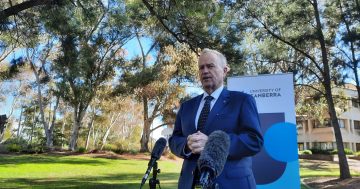
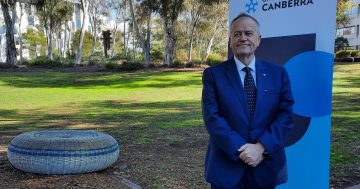
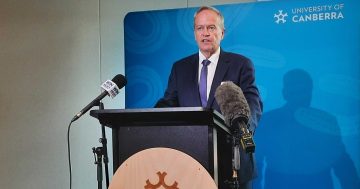
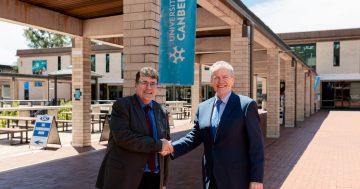
University of Canberra staff have backed a new Enterprise Agreement. Photo: John Lomnicki.
Casual academic staff at the University of Canberra are big winners under a new pay deal that boosts superannuation contributions to 17 per cent by 2030.
UC staff have voted in favour of the proposed University’s Enterprise Agreement 2026, that will also ensure casual staff continue to have access to benefits including up to 30 weeks’ paid parental leave for primary carers, long service leave and expanded opportunities for professional and career development.
Current and former casual staff have also begun being reimbursed for historic underpayments over six years.
Under the new pay deal, staff will receive a total salary increase of 14.5 per cent across five pay rises, equating to about 15.35 per cent when compounded.
The new Agreement also includes new wellbeing, flexibility and leave provisions; stronger workload and consultation processes; expanded support for Indigenous staff; improved parental leave arrangements; and measures supporting the responsible use of artificial intelligence in the workplace.
UC said the increased benefits for casual staff would help build greater long-term financial security for an important cohort of the University’s workforce.
Vice-Chancellor Bill Shorten said the move to 17 per cent superannuation for casual staff was a significant investment in staff and recognised the important contribution casual employees made to the University community.
“It provides greater retirement savings and financial security, and ensures casual staff have access to some of the most competitive employment benefits in the sector,” he said.
Professor Shorten said the new Enterprise Agreement was good for staff and provided confidence for the years ahead.
“This is a positive outcome for our staff and the University,” he said. “This Enterprise Agreement rewards our people, strengthens our employment framework and supports the University’s future.”
Mr Shorten said the University remained committed to fostering a workplace that recognised and rewarded its people while supporting the flexibility, wellbeing and opportunities they needed to thrive.
“This Enterprise Agreement provides a strong foundation as we continue to deliver for our students, staff and the Canberra community,” he said.

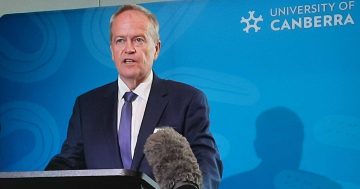
UC Vice-Chancellor Bill Shorten has apologised for underpaying casual staff. Photo: Ian Bushnell.
The University will now submit the Enterprise Agreement to the Fair Work Commission for approval. It will come into effect 21 days after approval.
UC has also resolved the underpayment of casuals over a six-year period, reimbursing 255 current and former staff with more than $240,000.
UC launched a review of payments to casual academic staff in October last year, covering July 2019 to December 2025.
The total value of identified underpayments amounted to $243,979.95, excluding superannuation and interest.
The University has started contacting those affected, and current casual staff began receiving payments from Tuesday (6 October).
It said the underpayments arose where PhD qualifications were not recognised in payment rates, Unit Convenor responsibilities were not reflected in payment rates and lecture and tutorial payments were incorrectly classified as repeat rather than initial rates.
A separate review of casual academic marking practices was underway to determine whether staff have been appropriately paid for marking activities.
Professor Shorten apologised to the current and former casual academic staff who were underpaid.
“It is disappointing. I deeply regret that these historic errors occurred. On behalf of the University, I sincerely apologise to everyone who has been affected,” he said.
“The University has taken the process very seriously, and our checks have been thorough. We are committed to making sure that every affected staff member receives the money they are owed as soon as possible.”
The University has also moved to improve record-keeping and governance arrangements to prevent further errors.
Professor Shorten said transparency and accountability would remain central.
“We have self-reported these findings to the Fair Work Ombudsman and continue to work constructively with the Ombudsman throughout this process,” he said.
“My focus is on supporting affected staff, addressing identified issues and building stronger systems that give our people confidence that they are being paid 100 per cent correctly.”
The University said it had verified and paid casual staff payments made since January 2026 correctly.
Original Article published by Ian Bushnell on Region Canberra.