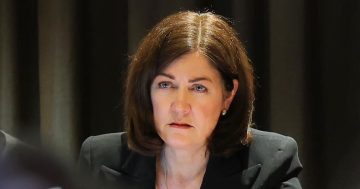
Telecommunications Industry Ombudsman Cynthia Gebert has called for an overhaul of the telco regulation framework. Photo: TIO.
The Federal Government needs to overhaul the nation’s telecommunications regulations to ensure it is fit for purpose in an increasingly digital and mobile-first Australia, says the sector’s public watchdog.
With recent and growing instances of network failures, connectivity problems and unsatisfactory problem-resolution processes, the Telecommunications Industry Ombudsman (TIO) is calling on the government to initiate a comprehensive reform agenda.
Reducing regulatory complexity would be a good starting point and a priority to ensure no one is left behind – particularly those living in regional, rural and remote communities.
The TIO launched its latest report, which reveals what it describes as a “bleak picture of experiences and inequity” for the seven million people living outside major cities.
“This report reflects what we continue to hear: how hard it can be to stay connected, and how much is at stake when telecommunications services fail,” the report states.
“The recent nationwide Telstra outage was a stark reminder of this. For many people in regional, rural and remote communities, outages are more than an inconvenience.
“They can affect access to Triple Zero, health and support services, work, payments, transport, and the ability to check on family and community members.
“With greater distance from neighbours and services and fewer connectivity alternatives, disruptions can be harder to resolve and the impacts can be prolonged in remote areas.”
The TIO analysed 26,972 phone and internet complaints from consumers in regional Australia over the last two financial years.
The ombudsman, Cynthia Gebert, said the study reveals place-based barriers to getting help and that limited options are taking a toll.
“Regional, rural and remote Australians help feed the nation, power industries and keep our diversity thriving, and this is an integral part of what makes Australia great,” she said.
“Reliable telecommunications are not a luxury for these communities; they’re essential infrastructure for safety, economic participation and everyday life.
“Australia’s telco regulatory framework has evolved piece-by-piece over many years. We now need to have a conversation about the system as a whole.
“Change is needed to deliver the reliable, accessible and resilient services people in regional, rural and remote Australia need today, and into the future.”
Ms Gebert described people in the regions as practical and resilient and able to accept that services don’t always work perfectly.
What makes them feel left behind, she said, is being asked to accept less.
“Fewer choices, less support and more uncertainty around access to affordable and reliable phone and internet,” she said.
The report identifies several major challenges facing regional consumers.
Remoteness makes everyday telco issues harder to resolve, with consumers often facing lengthy delays for technician appointments, repeated cancellations and difficulties accessing in-store support.
Mobile connectivity remains unreliable, with poor coverage a common source of complaints and creating significant safety and productivity concerns.
Limited choice and low awareness of available technologies can leave consumers without suitable or affordable alternatives when services fail.
Outages and unreliable services create significant safety risks and business disruption, particularly where consumers rely on telecommunications to contact emergency services, run businesses or stay connected to their communities.
The report makes 12 recommendations for telcos, the Australian Communications and Media Authority and the Federal Government, including:
- A comprehensive review of the telco regulatory framework including a focus on addressing place-based disadvantages
- Compensation payable directly to consumers where standards for internet broadband services aren’t met
- Remedies for significant mobile access delays where standards aren’t met
- Investment in tailored digital literacy programs, and
- Better community education about emergency communications and preparing for scheduled outages.
Nationwide Telstra outages affected millions of calls, banking transactions and transport on 8 July, sparking a snap Senate inquiry that heard a software update failure was the cause.
Optus was also hauled before parliament over last year’s Triple Zero outage that adversely affected people’s ability to connect to the emergency call service.
Two deaths were linked to the 18 September outage across parts of NSW, South Australia, Western Australia and the Northern Territory.
ACMA has since initiated court action against Optus.
The Telecommunications Industry Ombudsman provides a free and independent dispute resolution service for residential consumers and small businesses with unresolved complaints about their phone or internet service.
Original Article published by Chris Johnson on Region Canberra.