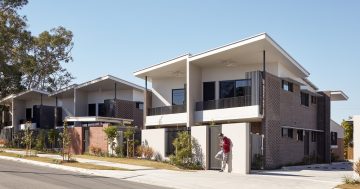
Homelessness services like Woree Supported Accommodation are making a difference. Photo: Supplied.
A landmark report has revealed Cairns homelessness services are achieving an extraordinary 94 per cent housing retention rate among tracked participants.
The independent report by AHURI, Long-term impact of Cairns homelessness services, tracked the multi-year journeys of 14 individuals graduating from three integrated local initiatives: Going Places Street to Home, Douglas House, and Woree Supported Accommodation.
The findings show that stable housing was retained by all but one of the people who participated in the research.
Mission Australia said this was proof of the vital foundation these services provide for chronic rough sleepers to rebuild their health, reclaim their independence, and safely reconnect with family and culture.
However, despite these individual successes, the report issued a stark warning about local systemic bottlenecks.
Frontline staff and researchers identified a critical 18-month risk window post-exit, where vulnerable tenancies frequently break down due to social isolation and a complete absence of dedicated funding for post-program outreach support.
A severe shortage of public and supportive housing options in Cairns is also stalling housing pathways, leaving families and high-needs individuals trapped in a cycle of housing stress.
Key recommendations from the report urge the Queensland Government to fund permanent, two-year post-exit tenancy sustainment outreach and integrate full-time, in-house therapeutic care across regional services.
“This data proves that tailored, wraparound support works in Cairns, but to permanently solve homelessness in our region, we must transition from ad-hoc responses to structured, funded post-exit care and rapidly expand local affordable housing stock,” Mission Australia Regional Leader NQ Gwion Cain said.
“These positive outcomes are testament to the dedication of our local frontline teams, but we cannot afford to become complacent.
“Without formal funding for a two-year safety net after people exit these programs, we are leaving the region’s most vulnerable residents to navigate complex trauma and isolation entirely on their own.
“The reality on the ground is that housing pathways are severely gridlocked.
“We urgently need the State Government to reform rigid public housing income thresholds and invest in dedicated, family-sized supportive units so that Cairns people aren’t left stranded on waiting lists indefinitely.”
Original Article published on Cape York Weekly.