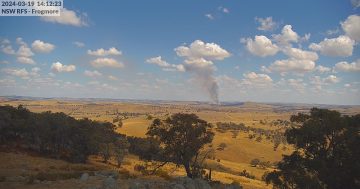
The trial aims to determine whether AI systems can accurately warn the public. Photo: South Australian Department of Primary Industries and Regions.
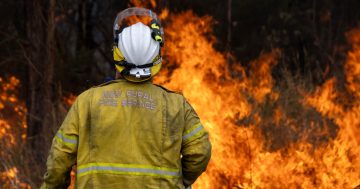
The South Australian Government has committed more than $500,000 to trial a faster public warning system when bushfires strike.
Named the Rapid Warning Message Project, the system will use AI technology to provide clear and accurate warnings to the community within seconds.
The government has contrasted this with the time-consuming manual systems currently in place, whereby warnings are prepared entirely by hand and rely on cross-checking.
They must then be drafted and reviewed so they meet agency standards.
Under the system’s trial, the automated warnings will be reviewed by authorised and experienced staff before being released to the public.
“AI technology will grow the tools our experienced staff already utilise to make life-saving decisions,” SA Country Fire Service executive director of statewide operations Brenton Hastie said.
“We are proud to be the first SA emergency service to explore AI’s ability to provide critical public information and enhance the way we report on and manage fires.”
The scheme intends to cut down on delays in relaying information to the public, which can make a critical difference in emergencies.
The expected benefits include:
- A reduction of the time between threat identification and warning.
- A reduction of the operational workload.
- An improvement in message clarity.
- A reduction of message errors.
The program, which will receive $550,000, is funded through the State Government’s AI Proof of Value scheme, which supports targeted AI application trials across government services and operations.
Work on the Rapid Warning Message Project will begin this month, with the technology to be reviewed and evaluated by the South Australian Country Fire Service over the next year.
Minister for State Development Chris Picton said: “We all know the dangers bushfires pose. This technology has the potential to significantly reduce delays, improve accuracy and consistency, and ultimately save lives.
“This is an example of AI technology helping the community and emergency service workers.”