
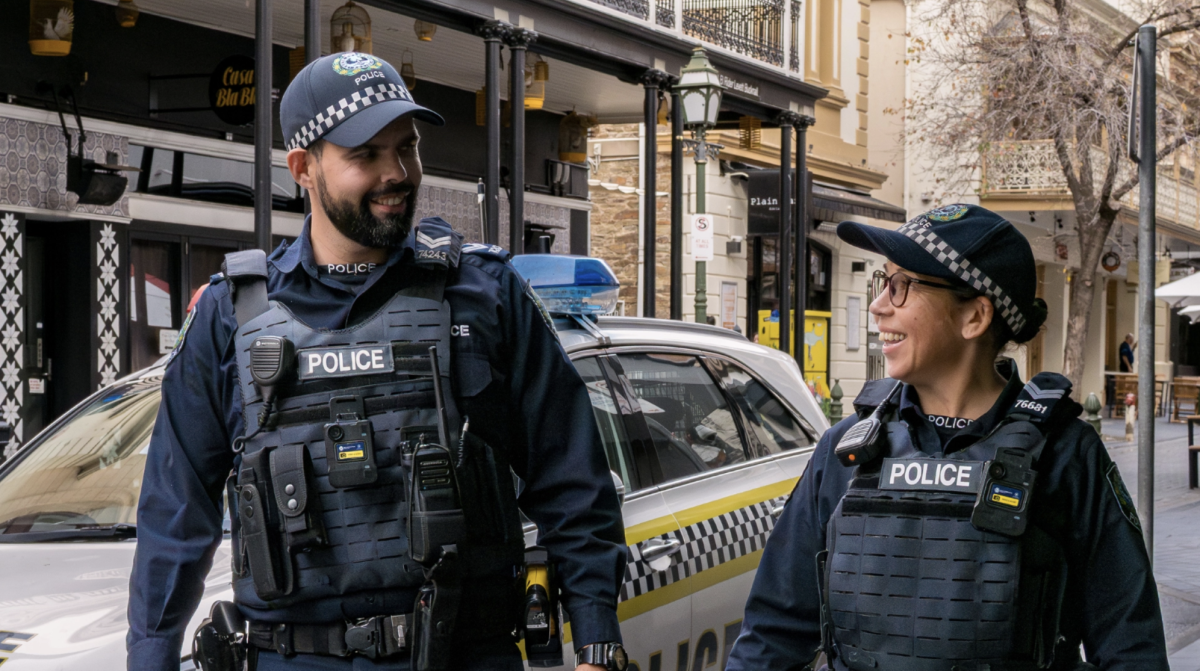
SA police now have greater powers to search premises in cases involving missing persons. Photo: South Australian Budget.
Following the example of similar laws in effect in Queensland, the South Australian Government is arming the state’s police with stronger search-and-entry powers.
Under previous laws, police were able to enter and search premises without the owner’s consent only if they reasonably suspected that a crime had been committed, a person had died or an individual needed assistance.
“SA Police welcomes any legislative amendment that will assist in enhancing the ability of police to keep the community safe,” Acting Assistant Commissioner (Crime) Cath Hilliard said.
“The amendment of the Summary Offences Act will provide police, in certain cases, with additional powers that can be used in investigations involving vulnerable individuals.”
The reforms expand the powers of police by allowing senior officers to authorise another officer to enter a premises, vessel, vehicle or other place without the consent of the owner if they reasonably suspect that either a high-risk missing person or information assisting in the search for that person may be found there.
Such an authorisation given by a senior officer remains in force for a maximum term of 48 hours or until the person is located or the authorisation is revoked.
New laws also empower police to apply to Supreme Court judges for a warrant to enter and search premises in relation to a high-risk missing person case for a longer period in particular circumstances.
Deputy Premier Kyam Maher said: “These reforms will be an important tool in helping SA Police investigate missing persons cases comprehensively and effectively, by providing police with additional powers that can be used in investigations involving vulnerable individuals who may suffer serious harm if not located quickly.
“Given time is of the essence in these types of investigations, ensuring police have the ability to enter a property without an owner’s consent will help ensure they have access to any potential information that may assist with their inquiries.”