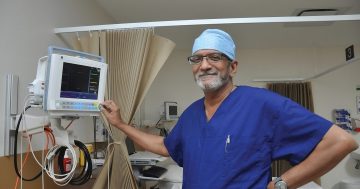
Private health insurance premiums will go up an average of 4.41 per cent from 1 April, the steepest rise since 2017. Photo: Michelle Kroll.
Just two weeks after the Reserve Bank upped interest rates, Federal Health Minister Mark Butler has approved an average premium increase of 4.41 per cent for private health insurers from 1 April 2026, the steepest increase in premiums since 2017.
The government says the increase is “moderately higher” than the 2025 increase of 3.73 per cent, but it remains above the national inflation rate of 3.8 per cent. It says insurers claim the costs of providing medical and hospital services rose five per cent last financial year.
According to the government, in the 12 months to 30 September 2025, insurers paid out increased benefits of more than $26.7 billion in health, medical and extras benefits, including a $1.2 billion or six per cent increase in hospital treatments to $20 billion, and a $341 million or five per cent increase in general treatment to $6.7 billion.
It says the premium rise also reflects increasing wage bills and securing the viability of private hospitals.
The latest price hike will mean that over the past 30 years, if your private health insurance cost $100 per month in 1996, it will soon cost $244.21 or an increase of 144 per cent, while average wages have risen just 93 per cent in the same period.
The Commonwealth Ombudsman says the Private Health Insurance Act 2007 requires insurers to submit details of proposed increases to the Health Minister before they can increase premiums on any of their policies.
It says insurers must provide detailed financial information and cost and benefit projections to justify any increases they seek and that an accredited actuary must have certified this information.
The proposed increases are examined by the Health Department and by the Australian Prudential Regulation Authority (APRA). If the insurers cannot provide sufficient information to demonstrate that an increase would be necessary to meet their obligations to pay benefits to eligible contributors, then there is no change to the premium.
The Ombudsman says benefits paid by health insurers increase when hospital, medical and other health related costs rise and if members have an increase in the use of health services.
Cost increases can be attributed to wages for hospital staff, doctors’ charges, the cost of medical equipment and technology and more complex and costly procedures being made available through private hospitals.
It says while all insurers maintain reserves to cover unexpected increases in benefit costs, if insurers experience or expect an ongoing increase in the cost of benefits, they must increase their contribution income by increasing premiums in order to stay financially viable.
The Minister said that since Labor came to power in 2022, health insurance premiums have risen by an average of 3.52 per cent compared to average increases of 4.26 per cent under the previous coalition government.
“The government understands the pressure health insurance premium changes put on Australians and decisions about private health insurance premiums must put consumers first,” Mr Butler said.
“This premium round has been guided by my commitment to maintain the value of private health insurance for Australians, while making sure the sector plays its part in supporting private hospitals facing rising costs and significant challenges.
“This year’s decision reinforces that premium increases must be backed by clear evidence and contribute to system-wide improvements, not just insurer balance sheets.
“I expect private health insurers and hospitals to work hard to bring down costs and keep future price increases to a minimum.”
Private Healthcare Australia chief executive Rachel David said health funds were working to balance the affordability of health insurance with the rising cost of providing quality care.
“More people are using their health insurance for high-cost hospital care such as joint replacements and cancer treatment and the cost of delivering care continues to rise,” Dr David said.
“This premium increase reflects those realities.
“If health funds could keep premiums the same without jeopardising their ability to pay claims, they would. The industry is acutely aware of how tough many Australians are doing it right now.
“For every dollar spent on private health insurance, consumers receive an average of 85 cents back in healthcare benefits — the highest return of any type of insurance.
“Private health insurance continues to play an important role in supporting patient choice and easing pressure on the public hospital system.”
Health funds are required to notify their customers in writing of any premium increases, while increases for all individual for-profit and non-profit insurers will be available on the government’s health website.
The Private Health Insurance Ombudsman also provides health insurance consumer information, including how to compare policies and your rights when changing providers.