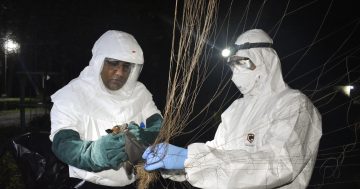

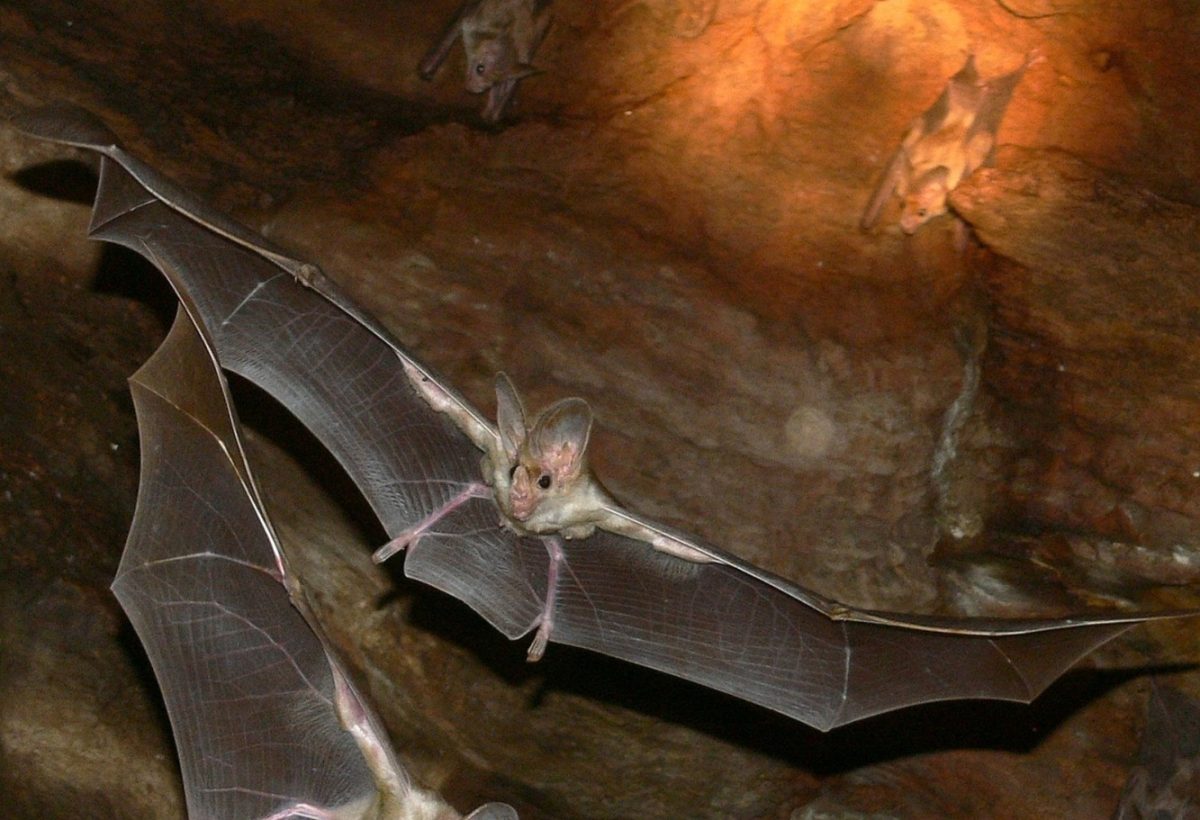
Hendra virus has been identified in a bat, but the NT’s Acting Chief Veterinary Officer says the detection is no surprise. Photo: Territory Wildlife Park, NT Government.
The Northern Territory’s Department of Agriculture and Fisheries (DAF) has confirmed to the public that Hendra virus has been identified in a bat, following a positive test result.
DAF Acting Chief Veterinary Officer Dr Sue Fitzpatrick said the detection was not a surprise as little red and black flying-fox bats were natural carriers of the virus and more than 20 per cent of the animals had been exposed to the virus in the Territory.
“Hendra virus is a known viral infection that can affect horses, and in rare cases can spread from horses to people,” Dr Fitzpatrick said.
“There are no known instances of dogs becoming infected with Hendra virus through contact with bats.
“This detection in a bat does not change the current level of risk to horses, pets or the community. It simply confirms the virus is present in the NT’s bat population, as it is in other parts of northern Australia. Further surveillance and sampling are now underway.”
Dr Fitzpatrick said horse owners should continue to manage the Hendra virus risk through established and effective measures.
“We encourage horse owners to vaccinate their horses, particularly in areas where large bat populations are present,” she said.
“Everyone working with or around horses should continue practising good biosecurity and personal hygiene, even if horses are vaccinated. If a horse becomes unwell, contact your local veterinarian straight away.”
The Territory Government has reminded horse owners of the importance of having a Property Identification Code (PIC), which identifies the location of livestock and horses.
Early signs of Hendra virus in horses may include:
- Increased heart rate.
- Fever.
- Rapid or laboured breathing.
- Discomfort or shifting of weight between legs.
To reduce the risks, owners can take steps such as:
- Isolating sick horses early while awaiting assessment from a veterinarian.
- Preventing horse feed and water from contamination by flying-fox droppings or fluids.
- Maintaining strict hygiene, cleaning and biosecurity routines.
There is no human vaccine for Hendra virus, and because horses can shed the virus before appearing unwell, it is vital that anyone handling horses maintains routine hygiene practices such as:
- Covering any open cuts with a waterproof dressing.
- Routinely washing hands with soap and water.
- Wearing personal protective equipment when exposure to horse bodily fluids is possible or likely.
- Washing skin that makes contact with horse manure or bodily fluids.
More information on Hendra virus and horse health can be found on the Northern Territory Government’s agriculture website.
Horse owners who need a PIC or to update their details should click here.