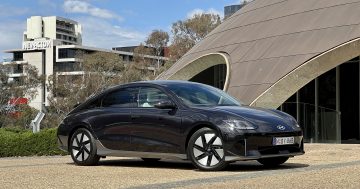
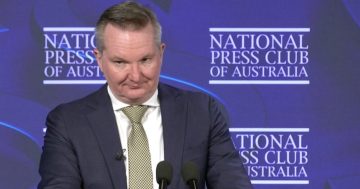
EVs have grown from less than 4 per cent of new light vehicle sales in 2022 to more than 20 per cent in the first four months of 2026. Photo: James Coleman.
For the second year in a row, outside of COVID, Australia’s emissions for transport pollution have fallen.
The latest Quarterly Update of Australia’s National Greenhouse Gas Inventory shows emissions for the year to December 2025 were 2.1 per cent lower than the previous year, with lower coal, gas and petrol use cutting electricity emissions by 3.8 per cent and transport emissions by 0.6 per cent.
The report also incorporates preliminary emissions up to March 2026.
“Annual emissions at the national level have been variable in recent years, reflecting differing trends across the economy,” the report states.
“Emissions from all industrial sectors except transport have fallen, with the biggest declines seen in the electricity, stationary energy (excluding electricity) and fugitive emissions sectors, reflecting increased renewable generation, reduced combustion activity, changes in production and new carbon capture and storage activities.
“Emissions from transport have fallen in the year to December 2025 after having consistently risen in recent years, largely driven by recovery from the impacts of the COVID pandemic.”
Australia’s emissions have fallen by 9.7 million tonnes over the past year, with more renewable energy, cleaner cars and practical emissions reduction in industry helping drive the decline.
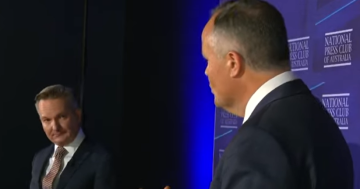
Climate Change Minister Chris Bowen said this was a positive trend, suggesting Australia’s overall transport emissions may have peaked as more motorists choose cleaner, cheaper-to-run vehicles.
“EVs have grown from less than 4 per cent of new light vehicle sales in 2022 to more than 20 per cent in the first four months of 2026,” he said.
“Our New Vehicle Efficiency Standard is making sure Australians get more choice of efficient vehicles that save money at the bowser and cut emissions.”
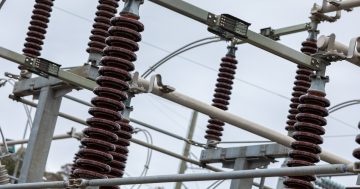
More renewables and battery storage are also having a positive impact on the grid.
In 2025, battery discharge in the National Electricity Market (NEM) almost tripled compared to 2024, reducing gas-powered generation during evening peaks by 30 per cent.
The uplift in batteries pushed gas generation to its lowest quarterly level since 2000, resulting in Australia’s cleanest NEM, with 0.44 tonnes of emissions per megawatt hour, and NEM emissions 32 per cent lower than 2005 levels.
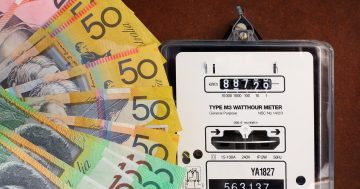
“The latest quarterly update is further proof that what’s better for the planet is better for your pocket; more of the cheapest form of new energy, more storage to back it up, and lower emissions as a result,” Mr Bowen said.
“With over 4 million household solar systems and more than 400,000 home batteries supported by our Cheaper Home Batteries Program, we’re seeing the results of consistent and considerable cuts in electricity grid emissions.”
Falling emissions across transport, electricity and stationary energy were partially offset by increased emissions from industrial processes and product use, mainly due to increased steel production.
The reformed Safeguard Mechanism has, however, resulted in reductions from some of Australia’s largest industrial facilities.
Net emissions from Safeguard facilities fell 5.5 per cent over the year and are now more than 12 per cent lower than when reforms began.
Facilities are installing new technology to cut nitrous oxide emissions, using electrification and deploying carbon capture and storage, which can reduce industrial emissions.
The minister said some of these projects have reduced nitrous oxide emissions from their facilities by 95 per cent or more.
Australia’s overall emissions in the year to December 2025 are estimated to be 24.5 per cent below 2005 levels, reflecting the incorporation of updated Land Use, Land Use Change and Forestry sector estimates from the National Inventory Report 2024 released earlier this year.
Land-sector emissions are subject to ongoing variability, reflecting both improvements in measurement and the impact of extreme weather events such as La Niña.
The National Inventory Report data reflected updated measurements for previous years as data became more precise, but also confirmed the overall downward trend in emissions.
Original Article published by Chris Johnson on Region Canberra.