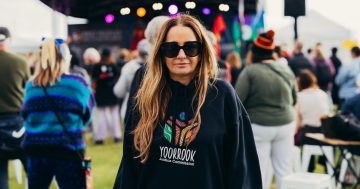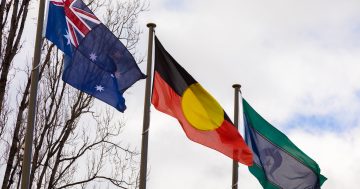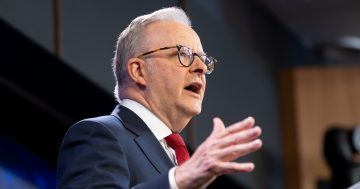


Our Ways – Strong Ways – Our Voices is the nation’s first standalone plan to help Indigenous women and children live free of violence. Photo: File.
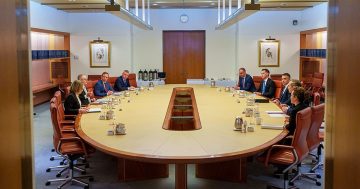
The nation’s first-ever standalone plan to protect Aboriginal and Torres Strait Islander women and children from domestic violence has been launched in Federal Parliament.
The Federal Government has partnered with First Nations people, as well as state and territory governments, to develop a national strategy to address the high and disproportionate rates of violence against Indigenous women and children.
The plan, called Our Ways – Strong Ways – Our Voices, now sits on equal footing with the National Plan to End Violence against Women and Children 2022–2032.
Launching the plan on Tuesday (10 February), Minister for Indigenous Australians Malarndirri McCarthy described it as a “pretty special” day after so much work had gone into its development.
“So many people have been involved with this national plan, and I’m so conscious that now we have the national plan, it’s about what we do next,” she said.
“Our Ways – Strong Ways – Our Voices delivers on a long-held call by First Nations women and the community sector for a standalone action plan that recognises the specific needs of First Nations families.
“Delivering Our Ways builds on our work to end gender-based violence and is a significant step toward realising better outcomes for First Nations women and children across the country.
“I commend the effort of all who worked in partnership to deliver this landmark National Plan.”
A $218.3 million funding package over four years is committed to the plan, with an immediate investment in a national network of up to 40 Aboriginal Community Controlled Organisations to deliver community-led specialist support services.
The funding will support a range of new programs, including crisis response initiatives such as mobile teams deployed to remote areas to work with families following a violent incident.
Providing safe transport and emergency accommodation, planning to help victims leave violence safely and giving continued support are other components of the plan.
Therapeutic supports include community playgroups where mums and children can connect with Elders, receive parenting support, and be linked to early help and healing.
Outreach programs for men and boys aimed at behaviour change and education are also part of the plan.
The Leaving Violence Program regional trials will be extended to 2027, continuing to provide support packages of up to $5000 and culturally safe and accessible supports to Aboriginal and Torres Strait Islander women in regional and remote communities.
Social Services Minister Tanya Plibersek said First Nations women face unique and significant barriers to getting help.
They are seven times more likely to be victims of intimate partner homicide and 27 times more likely than non-Indigenous women to be hospitalised due to family violence.
This increases to 41 times more likely in regional and very remote communities.
“This is a historic day. For the first time, Australia has a dedicated national plan to address the unique needs and barriers Aboriginal and Torres Strait Islander women and children face in accessing support,” Ms Plibersek said.
“Our Ways – Strong Ways – Our Voices stands on the shoulders of its advocates – Aboriginal and Torres Strait Islander communities and victim-survivors.
“I’d like to thank Aboriginal and Torres Strait Islander people who shared their advice, stories and experiences of domestic, family and sexual violence. Your courage drives this plan.”
Aboriginal child welfare advocate Aunty Muriel Bamblett, also at the launch, praised the plan for being the very first one “written by us and for us” and said it would bring about real change.
She also conceded “there’s a truckload of work” that needs to be done.
“Systems have to change, the court processes, the policing, the way that justice is implemented, the way that housing and homelessness, child protection system – all of those things need change,” Aunty Muriel said.
“There’s a lot of money that goes to mainstream organisations where there’s no accountability.
“So we really do need to have Aboriginal people at the forefront. I work in child welfare – 72 per cent of Aboriginal children come into care because of family violence.
“Now that’s too many children coming into care because we can’t address family violence. And family violence is learned.”
If you or someone you know is experiencing, or at risk of experiencing, domestic, family or sexual violence, call 1800 737 732, text 0458 737 732 or visit www.1800respect.org.au for online chat and video call services.
Original Article published by Chris Johnson on Region Canberra.