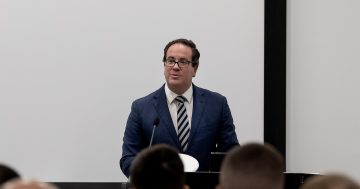
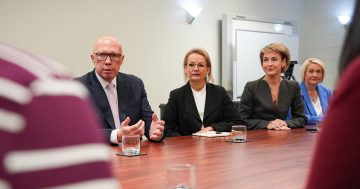
Natasha Stott Despoja will serve as Deputy Commissioner of the independent Defence and Veteran Service Commission (DVSC) to lead the inquiry into military sexual violence. Photo: Our Watch.
Former South Australian Senator and leader of the Australian Democrats Natasha Stott-Despoja has been appointed Deputy Commissioner of the independent Defence and Veteran Service Commission (DVSC) to lead the inquiry into military sexual violence.
The establishment of the inquiry is a key recommendation of the Royal Commission into Defence and Veteran Suicide, handed down in September 2024. It is scheduled to begin before the end of 2026 and run for about 12 months.
Ms Stott Despoja was appointed to the Senate in 1995, and served as deputy leader and then leader of the Democrats, before retiring from the Senate in 2008.
She is a former Royal Commissioner for South Australia’s Royal Commission into Domestic, Family and Sexual Violence, was a member of the World Bank Gender Advisory Council, served in United Nations’ High Level Working Group on the Health and Human Rights of Women, Children, and Adolescents and was a member of the Convention on the Elimination of all forms of Discrimination Against Women (CEDAW).
She was the founding chair of Our Watch – a national foundation to prevent violence against women, she served as Australia’s Ambassador for Women and Girls, and was appointed Officer of the Order of Australia in 2019 for her work on gender equality.
As the Military Sexual Violence Inquiry Deputy Commissioner, Ms Stott Despoja will convene and preside over hearings, and engage with a wide range of stakeholders, witnesses and officials. This includes those with lived and living experiences around military sexual violence.
Veteran’s Affairs Minister Matt Keogh said the inquiry would make recommendations to improve prevention and early intervention, protections for victim-survivors of military sexual violence, ensure perpetrators are held to account, and advance a victim-centric approach within the Australian Defence Force (ADF).
Its terms of reference will seek to identify gaps and opportunities to make recommendations to improve workplace protections for victim-survivors of military sexual violence and ensure perpetrators are held to account, while advancing a victim-survivor centric approach and applying the principles of natural justice.
The inquiry will also look at the barriers that prevent victim-survivors of military sexual violence from making a report, agreeing to reported matters being investigated, and/or pressing charges, and the extent to which ADF policies address these barriers and support reporting.
Other areas the inquiry will assess include the effectiveness, availability, accessibility, and adequacy of supports within the ADF for people impacted by military sexual violence, including whilst on deployment.
It will also assess current leadership approaches to responding to disclosures and reports of sexual violence, with particular attention to the role of the Commanding Officer and ADF chain of command.
The inquiry will also examine how justice approaches to military sexual violence matters within the military justice system and the civilian criminal, administrative and civil systems, can be more effective for victim-survivors.
The inquiry will establish an advisory group for the duration of the inquiry comprising of current and ex-serving ADF members with lived experience of military sexual violence.
The inquiry will also assist to promote progress on ADF reforms that have taken place since the royal commission and recommend additional systemic improvements as required, rather than considering historic cases individually.