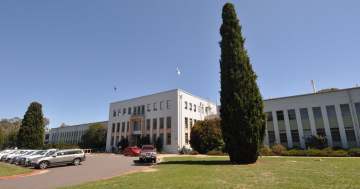
CSIRO has sacked a further 59 people by merging two research units. Photo: Peter Bennetts.
Another 59 jobs have been cut at the Commonwealth Scientific and Industrial Research Organisation (CSIRO), as part of ongoing redundancies and cost-saving measures at the nation’s leading science agency.
These latest CSIRO positions to be axed are part of the anticipated 350 redundancies flagged last year.
The newly-gone 59 roles, which are five fewer than had been initially targeted, are the result of a merger of CSIRO’s Health & Biosecurity and Animal Health Laboratory research units, but the sacked workers all come from the health and biosecurity team.
Those losing their jobs have been informed, as has the agency’s wider workforce.
“CSIRO informed staff today of the final decision regarding changes to its Health & Biosecurity (H&B) and Australian Animal Health Laboratory (AAHL) Research Units,” a CSIRO spokesperson said on Friday (29 May).
“As announced in November 2025, CSIRO is making essential strategic research shifts to focus its efforts on where we can deliver the greatest national impact.
“To achieve this sharpened focus, we are exiting research where we lack scale to achieve significant impact, or areas where others in the sector are better placed to deliver.
“Following careful consideration of consultation feedback from staff and stakeholders, CSIRO will proceed with a merger of the H&B and AAHL Research Units into a new Biosecurity Research Unit.
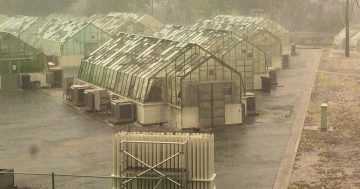
“The Australian Centre for Disease Preparedness (ACDP) facility will sit within the new Biosecurity Research Unit, consistent with how other critical facilities are organised within CSIRO.
“The new Biosecurity Research Unit better positions CSIRO to make the most of its unique combination of expertise at the intersection of animal, human and plant health, as well as shared infrastructure including ACDP.
“In response to consultation feedback, 59 roles in Health & Biosecurity will be impacted, 5 fewer than originally proposed. There are no research staffing impacts to AAHL.
“Importantly, these changes will not negatively impact the critical and ongoing work undertaken at ACDP, which will continue to host and deliver critical diagnostic capabilities and maintain globally eminent facility operations.”
Umbrella industry group Science & Technology Australia, which represents more than 235,000 scientists and technologists, expressed its disappointment at the latest job cuts.
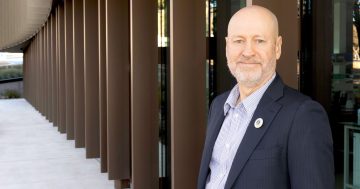
The group’s CEO Ryan Winn described it as another blow to Australia’s scientific capability.
He said they could also place at risk Australia’s ability to adequately respond to any future large-scale disease and virus outbreaks.
“While the cuts were expected as part of up to 350 roles foreshadowed to be lost last year, it’s a difficult day for the staff directly impacted,” Mr Winn said.
“The health and biosecurity team at CSIRO already went through job cuts two years ago. How can we expect to keep or attract people to be part of Australia’s STEM workforce when there is so much instability?
“Australia has recently come through the COVID-19 pandemic and is currently dealing with a diphtheria outbreak.
“These jobs are not just a loss to the CSIRO, they could impact Australia’s capability to respond to future health and biosecurity emergencies.
“CSIRO is often required to jump into action when there is a health emergency. And the agency’s response is always, ‘How high?’. They keep us safe when big challenges come along.”
A week before the latest redundancies, CSIRO cut 92 employees from its environment research team, a number the national science agency told its staff had been reduced from a planned 102.
The recent Federal Budget committed $387 million over the next four years in additional funding for the agency.
Announcing the extra funding ahead of the budget, Finance and Public Service Minister Katy Gallagher said the investment would give CSIRO the stability it needed to continue delivering its work and plan for the future with confidence.
While she could not promise there would be no further job losses at the agency, the Minister said she would be disappointed if CSIRO’s management went ahead with further redundancies.
“The way CSIRO is established is as an independent organisation; it has a board, and it makes decisions independent of government, and the government supports that,” Senator Gallagher said.
“We have worked with CSIRO over the last nine months or so to reach an agreement, essentially, with their ongoing funding requirements that allows them to deliver what they are asked to deliver, and the funding we have provided allows them to do that.
“We have provided funding that we believe will put CSIRO on a sustainable footing.”
Original Article published by Chris Johnson on Region Canberra.