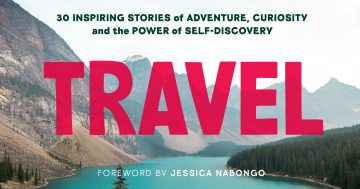
Eye-opener: Through Lonely Planet’s Offseason, we learn about the best time to visit the world’s favourite destinations. Photo: Supplied.
We are happiest when we’re on the road. While we never need an excuse to pack our bags, our focus is always on identifying high-value travel options. Travelling anytime is enjoyable, but the off-peak has a unique appeal for holidaymakers.
Everyone wants to travel more efficiently and avoid the crowds at the world’s favourite spots. Low-season travel means going somewhere when tourism is slow, thereby cutting costs and escaping the masses. There’s also a chance you’ll experience more genuineness, increased flexibility, sustainable travel and shorter queues.
Offseason by Lonely Planet will change your travel style and help you extract more from every trip. It’s brilliantly illustrated with vividly coloured photographs, and highlights essential travel details in quick-reference boxes. The hardcover guide encourages holidaymakers to rethink when they travel, revealing the ideal times to experience some of the world’s most iconic destinations with fewer groups, better value and richer cultural experiences.
Month by month, you can plan a trip with the benefits of travelling outside peak periods, discovering a more authentic side of each place through seasonal festivals, local traditions and unforgettable experiences.
In fact, authors Sarah Baxter and Paul Bloomfield promise that “whenever you want to travel, whatever you like to do, wherever you hope to go, we’ve got you covered”.
“… The trick is knowing how to find each destination’s decisive moment — and it’s not as simple as checking the weather forecast,” the husband-and-wife team claim. “Peak season doesn’t always mean summer or snowfall. Some places are busiest when rains are heaviest, because that’s when family holidays are planned, or when festivals buzz to the max. So how do you get the timing just right?”
In the 239 pages of Offseason you will find 100 ideas for your next slow-season adventure. They are organised by month, but most ideas cover longer periods — so a destination tipped for May might also be great in April or June.
The standout suggestions include:
- Experience Romania’s winter wonderland and medieval marvels in January.
- For a wildlife bonanza, the Galapagos in March is ideal for a snorkel excursion or jungle tour.
- Head to Namibia in May for temperate weather and stellar stargazing.
- In June, hop on a kayak in Washington State’s San Juan Islands to watch marine life come back in full force.
- Don’t miss the spectacular snow-free Dolomites in July for wildflowers, mild temps, lush forests and exquisite cuisine.
- Head to Madagascar in November for prime lemur-spotting, baobab-tree avenues and super snorkelling.
- December is a dream time to tackle Japan’s historic (and empty!) hiking trails — then warm up at an onsen.
The two editors say that in our age of overtourism, travelling out of season should be a no-brainer. Prices can be lower, accommodation easier to find, throngs thinner. You might bag a bargain safari in Africa, snag last-minute tickets for epic must-sees such as Machu Picchu, or discover new facets of familiar destinations — ski resorts in summer, say, or popular European cities in winter when you can enjoy bucket-list sights sans the masses.
“Of course, there’s no point getting drenched or freezing in the brutal cold if it’s just going to be miserable. Though rainforest can be most alluring in, well, the rain, some places are simply no-go zones in the wrong months — heading to Antarctica in July would be madness, if it were even possible. But it can pay to think outside the season, even by just a little.
“Optimal moments often come in shoulder months, those windows before or after the peak when hotels, lodges, restaurants and tour operators are begging for your business.”
Sparking a new mindset, this handbook will transform your approach to travel and enrich every moment of your journey!
Offseason, by Lonely Planet, $29.99