
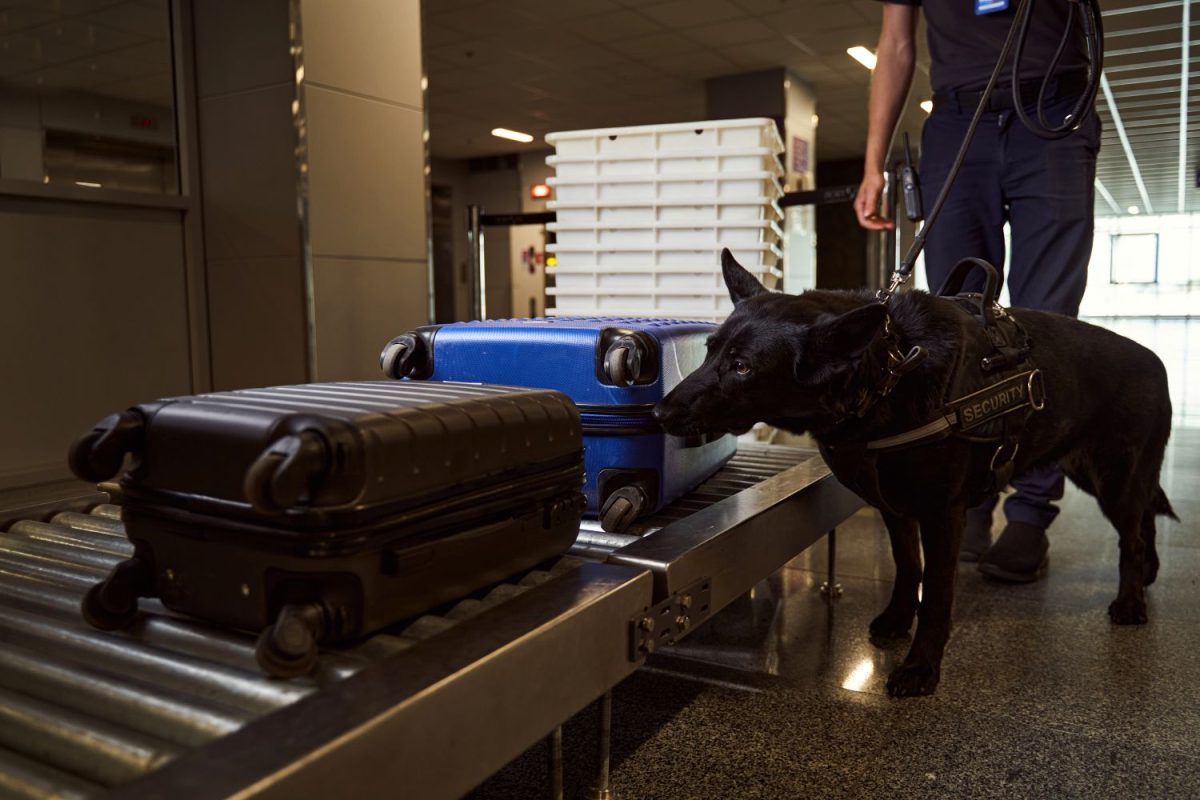
Biosecurity detector dogs intercepted more than 40,000 high-risk items at our airports, seaports and mail centres in 2025. Photo: svitlanah.
The Federal Government is talking up its biosecurity measures, warning it won’t compromise on enforcing strict monitoring at Australia’s airports, seaports and mail centres.
It has launched 2026 outlining actions it is taking to prevent and respond to non-compliance, while stressing that protecting the nation’s biosecurity is among the government’s highest priorities.
Labor feels the need to emphasise the strength of Australia’s biosecurity following last year’s embarrassing acquiescence to the United States over US beef imports.
Australia lifted biosecurity bans on American beef imports despite insisting biosecurity was non-negotiable even in the face of US tariffs imposed on Australian exports.
In July 2025, the Federal Government confirmed it would now allow imports into Australia of meat processed in the US but grown in Mexico and Canada.
Before that decision, only US-produced beef was allowed into Australia due to biosecurity concerns over the supply chain.
The government insists it had not compromised on biosecurity and that the decision was not swayed by the US tariffs regime.
This week, Agriculture Minister Julie Collins announced the government had delivered more than $2 billion in additional resourcing since taking office, to strengthen “our world-leading biosecurity system”, including bolstering a sophisticated network of enforcement activities.
“Illegal activity – whether bringing goods into Australia or sending products out – undermines Australia’s biosecurity and our strong global trade reputation,” she said.
“Illegal export activity can also negatively impact legitimate exporters, with significant flow-on effects for Australian farmers and our regional communities.
“There is zero tolerance for those who deliberately try to bypass Australia’s strict biosecurity requirements. You will be caught, and you will face the consequences.
“The laws in place are vital to the health of our economy, environment and the future of Australia’s more than $100 billion agriculture, fisheries and forestry industries.”
The Minister said while Australia’s biosecurity system was built on partnership and shared responsibility, individuals and businesses that ignored its strict requirements were subject to strong penalties, ranging from infringements, prosecution, imprisonment and visa cancellations.
Once threats enter the country, they could harm crops, livestock and ecosystems and if left unchecked, could significantly impact agriculture industries, food supply, regional jobs, trade and cost the economy billions of dollars.
Across 2025, biosecurity officers inspected more than 280,000 commercial sea and air consignments, preventing tens of thousands of harmful pests, diseases and weeds from entering Australia.
Airport interceptions by biosecurity officers reached more than 359,000 travellers, with almost 64 tonnes of meat products being confiscated throughout last year.
Biosecurity detector dogs intercepted more than 40,000 high-risk items at our airports, seaports and mail centres in 2025, with more than 9600 detections in the international mail pathway alone.
Ms Collins said these inspections led to strong penalties, including an Australian grape export company being fined more than $1 million for submitting false or misleading documentation to obtain phytosanitary certification and permits to export table grapes to New Zealand.
“A woman was prosecuted for illegally importing more than 62,000 kilograms of illegal pork products, insect-infested fresh fruit and vegetables, frog meat and raw prawns for distribution on Sydney’s black market,” the Minister said.
“She was convicted of nine offences and sentenced to 24 months’ imprisonment to be served by way of an Intensive Corrections Order and ordered to complete 150 hours of community service.”
Another woman who illegally mis-declared a package as lingerie and shoes, when it actually contained 57 cacti and succulents, was sentenced to six months’ imprisonment and released on a Recognisance Release Order.
Under the Export Control Act 2020, corporate entities can be fined, civilly prosecuted and have their registrations revoked, while individuals may also face imprisonment.
Under the Biosecurity Act 2015, individuals convicted of illegal importation can face penalties of up to 10 years’ imprisonment and fines of up to $1.6 million.
“Australia is free from many of the pests, weeds and diseases that affect agricultural productivity and the environment in other parts of the world and our biosecurity officers work tirelessly at our borders and in airports and mail centres to keep these threats out,” the Minister said.
“We’ve delivered over $2 billion in additional biosecurity resourcing since 2022, have added 20 additional detector dogs around the country and have more than 1000 biosecurity officers across Australia’s international airports, seaports and mail centres.
“Our biosecurity system never stops.”
Original Article published by Chris Johnson on Region Canberra.