Community Industry Group has welcomed a $3 billion budget boost to aged care but says it doesn’t go far enough to meet growing demand. Photo: Rawpixel.
The Illawarra’s leading community advocacy group says the Federal Budget has delivered a mixed outcome for the social services sector, from aged care to housing and youth support.
Community Industry Group CEO Nicky Sloan has welcomed $3 billion for aged care which includes 5000 additional residential care beds to be built each year, but said Australia needed 10,000 beds annually to meet the growing demand as the population ages.
“Community Industry Group was hoping the budget would deliver measures to ease the pressure on both the sector and the people, families and communities doing it tough, but the budget has delivered a mixed outcome for the social services sector and for the people they work with,” she said.
The $3 billion aged care boost also includes an increase to the Accommodation Supplement and structural changes that introduce new funding tiers, such as additional payments for facilities with more than 60 per cent supported residents.
“Importantly, this includes measures to cover the cost of removing consumer contributions from showering, dressing and continence support for Support at Home services. This will make a material difference for older people and will help address the escalating hospitalisation rates,” Ms Sloan said.
“While there are many positive announcements for our critical aged care sector in this budget, we are keen to see more detail about the allocation of new Support at Home packages for 26-27.
“We know there are 200,000 people currently on the waitlist and it is unlikely the nearly $390 million announced will meet demand.
“Additionally, there does not appear to be any new investment in entry-level aged care supports through the Commonwealth Home Support program.”
Ms Sloan said there was little in the budget to incentivise social housing in the budget, but did welcome a $60 million investment to create a new National Youth Housing Supplement which would unlock social housing for more than 4000 young people.
And while CI Group had long advocated for changes to capital gains tax and negative gearing to redirect these incentives to affordable housing, Ms Sloan said the measures in the budget, while brave, did not go far enough.
“We hope they will also incentivise ‘build to rent’ properties, but we would have liked to see these measures extended to only apply to affordable rental properties,” she said.
Housing Trust CEO Amanda Winks welcomed the housing-related tax reforms announced in the budget, but has called for ongoing investment to ensure more Australians could access safe, secure and affordable homes.
“Access to safe, secure and affordable housing is fundamental to a fair Australia. It’s encouraging to see housing recognised as a priority in tonight’s budget,” Ms Winks said.
“Across the Illawarra and Shoalhaven, around 4000 people are currently waiting for an offer of social housing, with thousands more households experiencing housing stress in the private rental market.
“That demand tells us we need sustained, long-term action to increase supply, particularly for those on low incomes who are being priced out of safe and stable housing.”
Ms Winks said the reform must be matched with reinvestment to deliver outcomes for those most in need.
“We need to keep working towards a housing system that includes enough social and affordable rental homes to support a healthy market overall,” she said.
“A meaningful share of any additional housing tax revenue should be reinvested into social and affordable housing. Without reinvestment, the people who need it most risk missing out.
“Australia needs a permanent, predictable Commonwealth investment approach beyond current Housing Australia Future Fund rounds, treating social and affordable housing as essential infrastructure.
“Young people are among those hardest hit by housing insecurity. Targeted investment to support their access to community housing is a practical step that can make a real difference.”
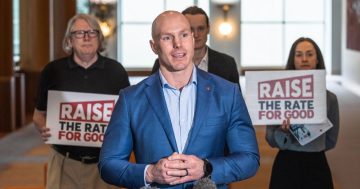
Ms Sloan said the budget had “once again” failed young people, with no increase to welfare payments including Job Seeker and Youth Allowance.
“This means the people on the lowest incomes will have to continue to struggle to survive on an income which is well below the poverty level,” she said.
CI Group is also cautious about changes to the NDIS and wants more details about how 160,000 participants will be moved from the scheme and what the impact will be on access to supports such as community participation and supported employment.
“The NDIS is the most progressive disability support service in the world,” Ms Sloan said.
“We would not want to see the incredible improvements it has made in the lives of people with disability rolled back.”
Original Article published by Jen White on Region Illawarra.