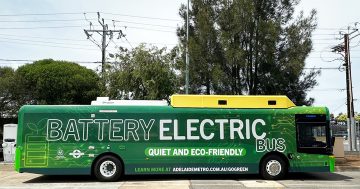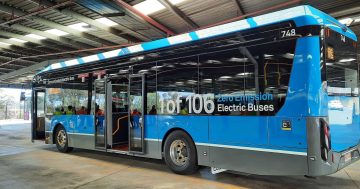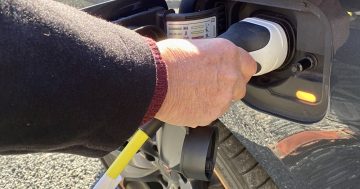

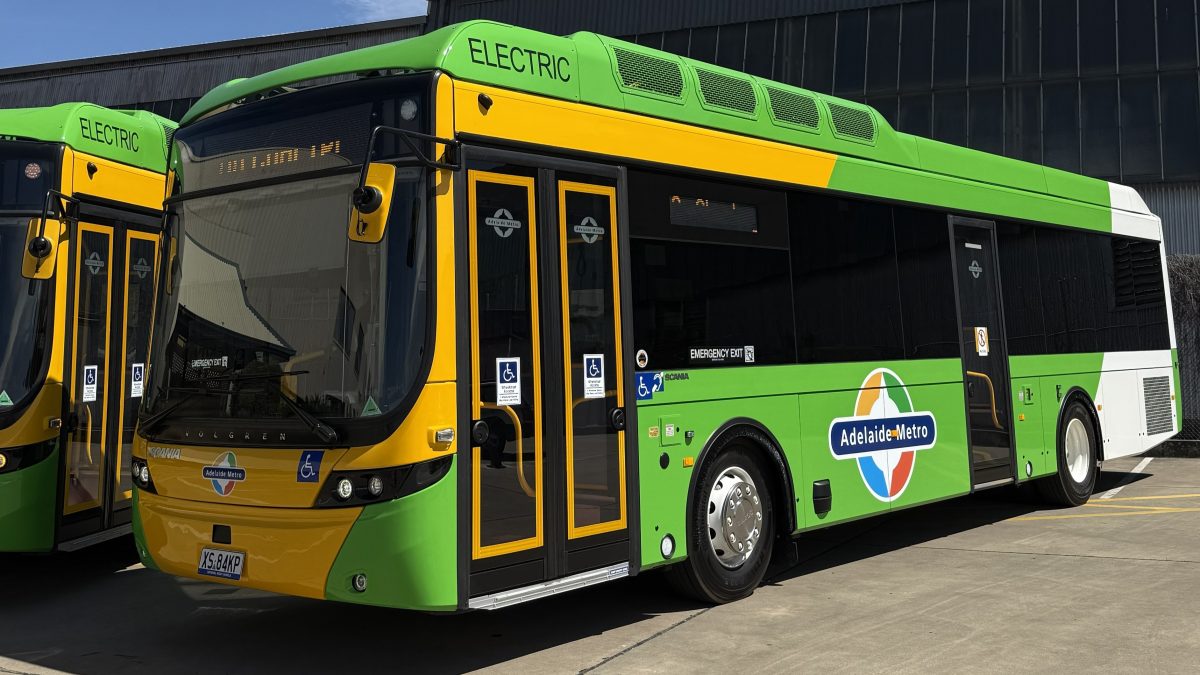
The new electric buses will improve the commuter experience and reduce emissions. Photo: SA Department of Infrastructure and Transport.
Adelaide’s public bus fleet is welcoming 60 new electric vehicles, which are due to hit the road next week.
The all-electric buses will provide commuters with a cleaner, more sustainable ride around the state’s capital.
Two new buses are being delivered by Scania and are the first of 60 to be rolled out in the coming months, with the entire 60-strong fleet to be operational by the middle of next year. The government said this was a major step towards a fully decarbonised public transport network in the state.
The new fleet replaces ageing diesel buses, and the introduction of the new vehicles will remove more than 4500 tonnes of carbon from the atmosphere annually. This will help the government reach its net zero by 2050 target.
Electric buses enhance passenger comfort due to reduced noise and pollution, and will travel the same routes as diesel buses. Each new bus will seat 43 passengers and travel 350 kilometres on a single charge.
“This is an exciting milestone for our public transport network, with the first two electric buses now handed over to the State Government and ready to hit the road,” Assistant Minister to the Premier of South Australia, Emily Bourke, said.
“Not only will this remove tonnes of unwanted carbon from our atmosphere each year, but it will also provide a cleaner and smoother ride for passengers.”
To prepare for the fleet’s arrival, the Morphetville depot is increasing its charging capacity with new designated bays.
The new buses will also have improved safety features, such as Advanced Driver Assistance Systems (ADAS), software that supports drivers in maintaining lane position, controlling speed and keeping a safe distance from other vehicles, pedestrians and cyclists.
In addition, they will have full protective driver security screens. Almost 50 per cent of government-owned buses have been fitted with the polycarbonate full driver security screens as part of a $7.5 million program. All 940 buses are expected to be completed by the end of next year.
Two global engineering advisory firms have been engaged by the State Government to assist in the development of detailed business cases for zero-emission public transport. Mott MacDonald and WSP are aiding the government’s plan towards a zero-emission metropolitan bus and rail system.
Procurement of new diesel-only buses ceased in September 2022 and all new vehicles are now either diesel-electric hybrids or battery electric.
Adelaide’s Metro rail network has made progress towards zero-emission operations, with both the Gawler and Seaford/Flinders rail lines being electrified. Some 34 electric and 50 hybrid-diesel railcars are operating.