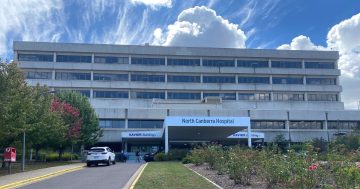

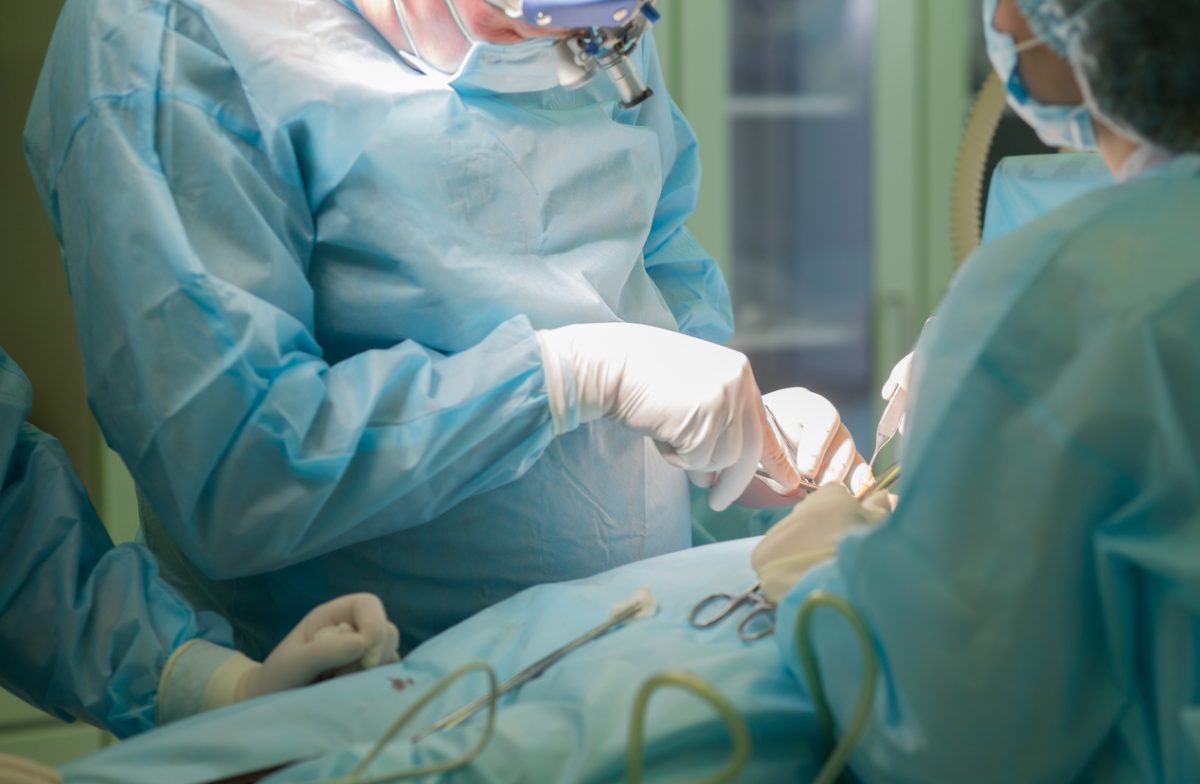
Public hospital admissions for elective surgery have risen, according to new data from the Australian Institute of Health and Welfare. Photo: iStock.
Elective surgery is on the rise at public hospitals around Australia.
That’s according to new data released by the Australian Institute of Health and Welfare (AIHW), an independent statutory Federal Government agency commissioned with providing health statistics to help guide policy development.
AIHW’s latest Hospitals Platform report shows public hospital admissions for elective surgery have risen to 791,000 in 2024–25, up from 712,000 a decade ago, as shown in the 2015–16 data.
The report also shows the national, state and hospital-level elective surgery wait times.
Elective eye surgery has seen the biggest jump in public hospitals.
“Cataract surgery was the most common procedure with 88,000 admissions, an increase from 84,000 in 2023–24,” AIHW spokesperson Clara Jellie said.
“‘Half of these patients were admitted within 106 days, a decrease from 189 days in 2023–24.”
The data reveals that 50 per cent of patients were admitted from a public hospital elective surgery waiting list within 45 days in 2024–25, which was similar to 2023–24 at 46 days.
The proportion of patients who had waited more than a year to be admitted for elective surgery was six per cent.
Elective surgery is planned surgery that can be booked in advance as a result of a specialist clinical assessment, the report states.
Elective surgery is considered medically necessary and may be required urgently, but is not conducted as a result of an emergency presentation.
“Most elective (planned) surgeries performed in Australia are undertaken in private hospitals,” the report states.
“However, the information presented in these pages provides an overview of elective surgery provided by public hospitals following the patient’s placement on a public hospital waiting list.
“The data on elective surgery waiting times is captured after the procedure is performed, so does not reflect the status of people currently waiting for surgery.”
Data on general Emergency Department (ED) presentations and admissions for the year is also outlined in the report.
There were 9.1 million ED presentations in public hospitals across Australia in 2024–25, a rate of 328 presentations per 1000 population.
This is an increase from 7.6 million and a rate of 316 presentations per 1000 population in 2015–16.
Half of all patients were seen within 18 minutes, which was the same as the previous year.
“Around 10 per cent of patients, or one in 10, waited longer than one hour and 58 minutes to be seen after presenting to an ED,” said Ms Jellie.
“Overall, 67 per cent of patients were seen on time for their triage category including all patients requiring immediate care.”
More than half (53 per cent) of people who presented to an ED had their care completed within four hours, compared with 55 per cent in 2023-24.
Of those who were subsequently admitted to the same hospital, just under one-third (30 per cent) of ED presentations were completed within four hours.
Nationally in 2024–25, males accounted for 49 per cent of presentations to EDs.
For all patients, the most common triage categories assigned were Urgent (42 per cent), Semi-urgent (34 per cent) and Emergency (18 per cent)
Patients aged four years and under accounted for 10 per cent of presentations, young people aged 15–44 accounted for a further 37 per cent while patients aged 65 and over accounted for 24 per cent of presentations
Of those patients aged 65 and over who presented to ED, 52 per cent were subsequently admitted to hospital compared to 30 per cent for all patients.
Original Article published by Chris Johnson on Region Canberra.