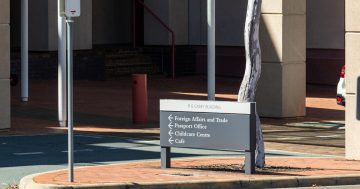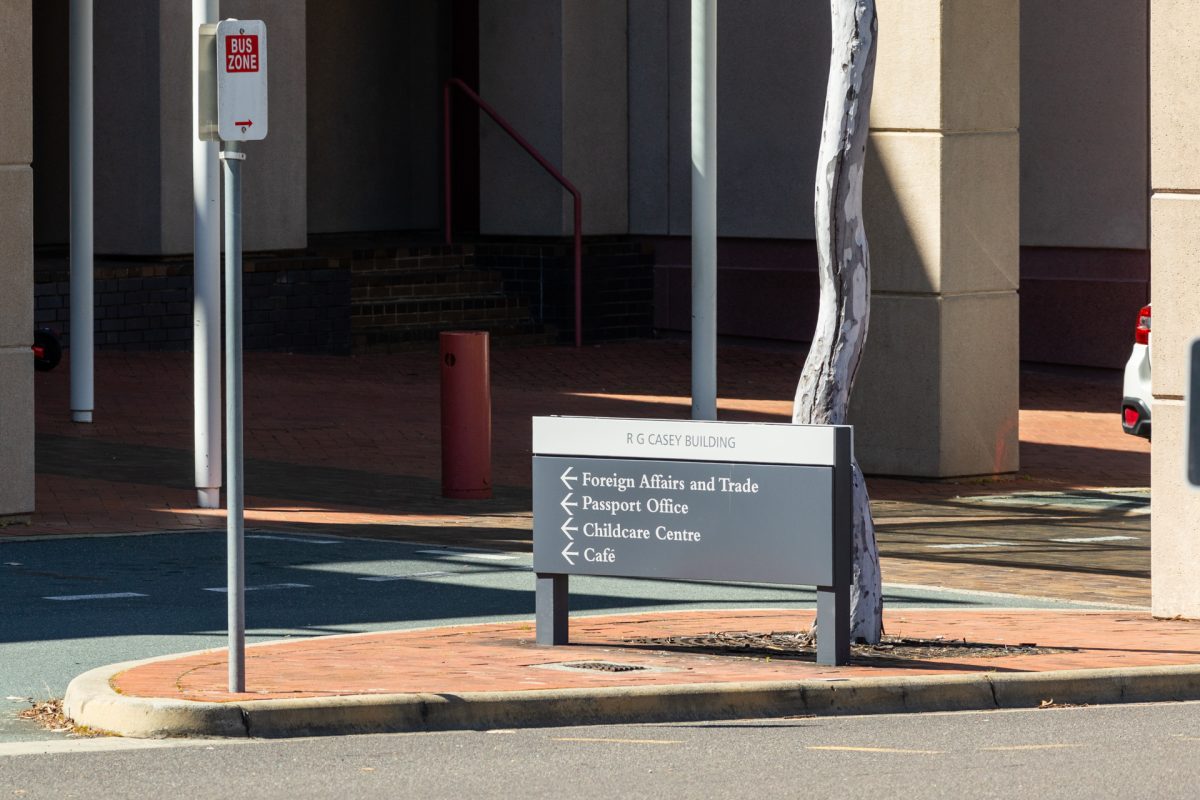
Department of Foreign Affairs and Trade’s Smartaveller and Passport Office services rate highly for trust and satisfaction among Australians. Photo: Michelle Kroll.
The Department of Foreign Affairs and Trade (DFAT) leads all Federal Government agencies in public trust and satisfaction with its services.
That’s largely thanks to its Smartraveller service, with some help from the Australian Passport Office (APO), according to data in the Trust in Australian public services: 2026 Annual Report, recently published by the Australian Public Service Commission.
Overall, 88 per cent of respondents to the APSC’s survey reported trust in the Smartraveller, and 89 per cent reported satisfaction.
For the Passport Office, 82 per cent reported trust and 81 per cent reported satisfaction.
Trust in the Pharmaceutical Benefits Scheme is just as high as that for the Passport Office (82 per cent), while the PBS just pips the APO on satisfaction at 83 per cent.
Services Australia’s Medicare service is highly trusted at 80 per cent, with 81 per cent of respondents also reporting satisfaction.
But Services Australia’s Child Support and Centrelink linger at the bottom of the table at 66 per cent trust and 65 per cent satisfaction, and 65 per cent trust and 67 per cent satisfaction, respectively.
Satisfaction with the Child Support program, however, rose 4 percentage points to 66 in the 2025–26 period, the highest rise among measured services.
Overall, 62 per cent of people reported trusting the Federal Government’s public services, while only 13 per cent reported distrust; and 70 per cent of people who accessed public services reported being satisfied with them.
The 62 per cent trust reported in 2025–26 matches last year’s high, while satisfaction with Australian public services increased slightly.
This year, 89 per cent of people who reported trusting public services were also satisfied with them, while 28 per cent of people who distrusted services were still satisfied.
The APSC’s report states that last year’s increases in trust and satisfaction have been maintained across most services and programs.
“When asked why their trust had increased, people most often talked about: positive personal experiences; improved accessibility and efficiency; accessing a service for the first time and finding it better than expected,” the report states.
Respondents who reported a decline in trust over the last year often cited unclear or lengthy processes (11 per cent), confusing information (9 per cent) or difficulty accessing the service (9 per cent).
These positive and negative themes were all broadly consistent with those identified last year, when trust also increased.
Since October 2023, the APSC has asked respondents how their trust in Australian public services compares with a year prior.
Data was collected from about 1000 people each month from July 2025 to June 2026, reporting their experience from the past year.

Respondents this year were most satisfied with respectful interactions with staff and being able to achieve what they set out to do.
They were least satisfied with the clarity of how decisions were being made by a service.
“Trust and satisfaction are linked to people’s individual characteristics, reasons for accessing services, and service access experiences,” the report states.
“On average, women trusted public services less than men (58 per cent to 66 per cent), continuing the trend of several years.
“Trust in public services was highest for people earning above the median weekly wage (69 per cent), people aged 18–34 (68 per cent), and people born in a country other than Australia (67 per cent).”
The Survey of Trust in Australian Public Services asked respondents to reflect on their experiences with services between July 2025 and June 2026.
Analysis of open-ended responses from those whose trust increased suggests they attributed this change to a range of sustained improvements in service delivery.
“Despite there being significant global and national attention on public services for the last two years, no respondents attributed a shift in their trust to international events in the media,” the report states.
“Respondents predominantly described their personal experiences with services as the basis for changes in sentiment.”
Original Article published by Chris Johnson on Region Canberra.