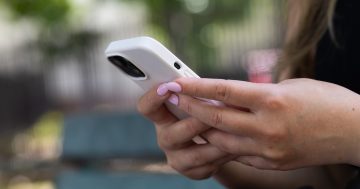
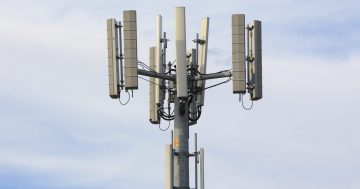
The new Australian emergency warning system, AusAlert, will be tested nationally on Monday 27 July. Image: Federal Government.
On Monday 27 July at 2 pm, every mobile device in the country – including some smartwatches and tablets – will emit a 10-second alarm.
There’s no need to actually be alarmed – it’s a test of the new AusAlert national warning system, which is due to be rolled out nationally in October.
All compatible mobile devices will vibrate and play a siren-like warning sound for about 10 seconds. An AusAlert message will appear on device screens clearly saying it is a test.
You don’t need to do anything, but we’ve compiled this guide to what AusAlert is all about.
What is AusAlert and why do we need it?
The royal commission which looked into the Black Summer bushfires of 2019-2020 found that Australia needed a better national messaging service to warn people of emergencies.
The current service is reliant on you having access to your telco provider and is also subject to network congestion.
AusAlert uses the latest technology to send emergency messages to compatible mobile devices during local and national disasters. They aren’t SMS (text messages) so can still be sent and received when mobile networks are busy. Devices don’t need an active SIM card.
AusAlerts are expected to work on:
- iPhones 11 and up running iOS 26.4 or later
- Apple Watch SE2, SE3, Series 6 and up running watchOS 26.4 or later
- Android devices running Android 12 or later.
Older phones and phones that don’t use iOS or Android may still receive AusAlerts, however Apple iPads will not receive AusAlerts.
Do I have to do anything when I hear the test alarm on Monday?
No, nothing at all. You will get a notification on your device screen that simply says AusAlert is being tested. You do not need to take any action; you do not need to call triple zero.
My phone is an older model – will I still get the alarm?
If you have an older device or use an alternate operating system such as GrapheneOS or LineageOS, you may get a test alert with the heading Presidential Alert or Extreme Threat Alert.
The Federal Government’s AusAlert website says the content of the alert will be the same. This is because some older devices don’t follow Australian standards and will display an American or international alert heading instead of the Australian AusAlert.
What if I don’t get an alert on Monday?
Again, you don’t need to do anything.
There are many reasons why you might not receive a test alert:
- Your device might be older or not support AusAlert, meaning it’s not compatible
- Your device might not be updated to a software version that allows emergency alerts to be received
- Your device might not have mobile signal at the time of the test
- The mobile tower closest to you might not be working due to maintenance or outage, or it might not have any power
- Your device might be switched off, in aeroplane mode or not connected to any mobile tower at the time of the test.
The AusAlert website says that’s all OK and that finding out how devices behave is one of the reasons it’s testing the AusAlert system before it launches. To make sure you’re AusAlert ready, always update to the latest software version on your device when asked. Be sure to restart your device after updating.
If you want to provide feedback on the national test, contact AusAlert.
When will AusAlert go live?
In an interview with ABC radio, Emergency Management Minister Kristy McBain said nine community-based trials had already been held across the country, but this would be the first national test before the system goes live in October.
The current system will continue to operate as well as AusAlert for summer’s higher risk weather season to make sure emergency services agencies have every tool at their disposal for the next season.

Tell your family, friends and neighbours – the AusAlert national test will be on Monday 27 July. Image: Federal Government.
What kind of things will it alert us to?
AusAlerts will be sent about emergencies and disasters such as security threats, public health emergencies, biosecurity incidents and natural hazards such as bushfires, floods, cyclones and tsunamis.
The new technology can geolocate down to 160 m of where an incident is occurring, so a particular area can be hyper-targeted, rather than a more widespread message. AusAlert messages should only be received by people near the area affected by the emergency.
What kind of information will AusAlert provide in an actual emergency?
An AusAlert message will show the alert level, either Critical Alert (The highest level of warning. You may be in danger) or Priority Alert (There is a high level of threat. Watch and act).
In an actual disaster, an AusAlert will likely tell you: the type of emergency (for example, bushfire or flood); where it is; how serious it is; the actions you need to take; where more information can be found; the name of the organisation that sent the message.
Does AusAlert cater for people who are deaf or hard of hearing or are blind or have low vision?
Yes. If you are deaf or hard of hearing, AusAlert may:
- Vibrate your device and turn on your screen
- Be heard through hearing aids or cochlear implants
- Work with other assistive technologies, such as bed shakers.
If you are blind or have low vision, AusAlert may:
- Read the message aloud if text-to-speech is turned on
- Work with other assistive technologies such as refreshable braille displays and screen magnification tools.
The AusAlert website has more resources for people with a disability.
I have a hidden phone due to a domestic violence situation and I’m worried the alert will give me away – what can I do?
The AusAlert website suggests leaving your devices switched off or in aeroplane mode for at least an hour before the test, for up to 24 hours after the test.
It is important to be aware that you can still receive AusAlerts if your phone is on silent or do not disturb.
If it’s not safe to receive AusAlerts on your devices, keep them turned off or in aeroplane mode until you need them.
Visit the AusAlert website to find tailored information and resources for First Nations peoples, older Australians, culturally and linguistically diverse (CALD) communities, children and teens.
Original Article published by Jen White on Region Illawarra.