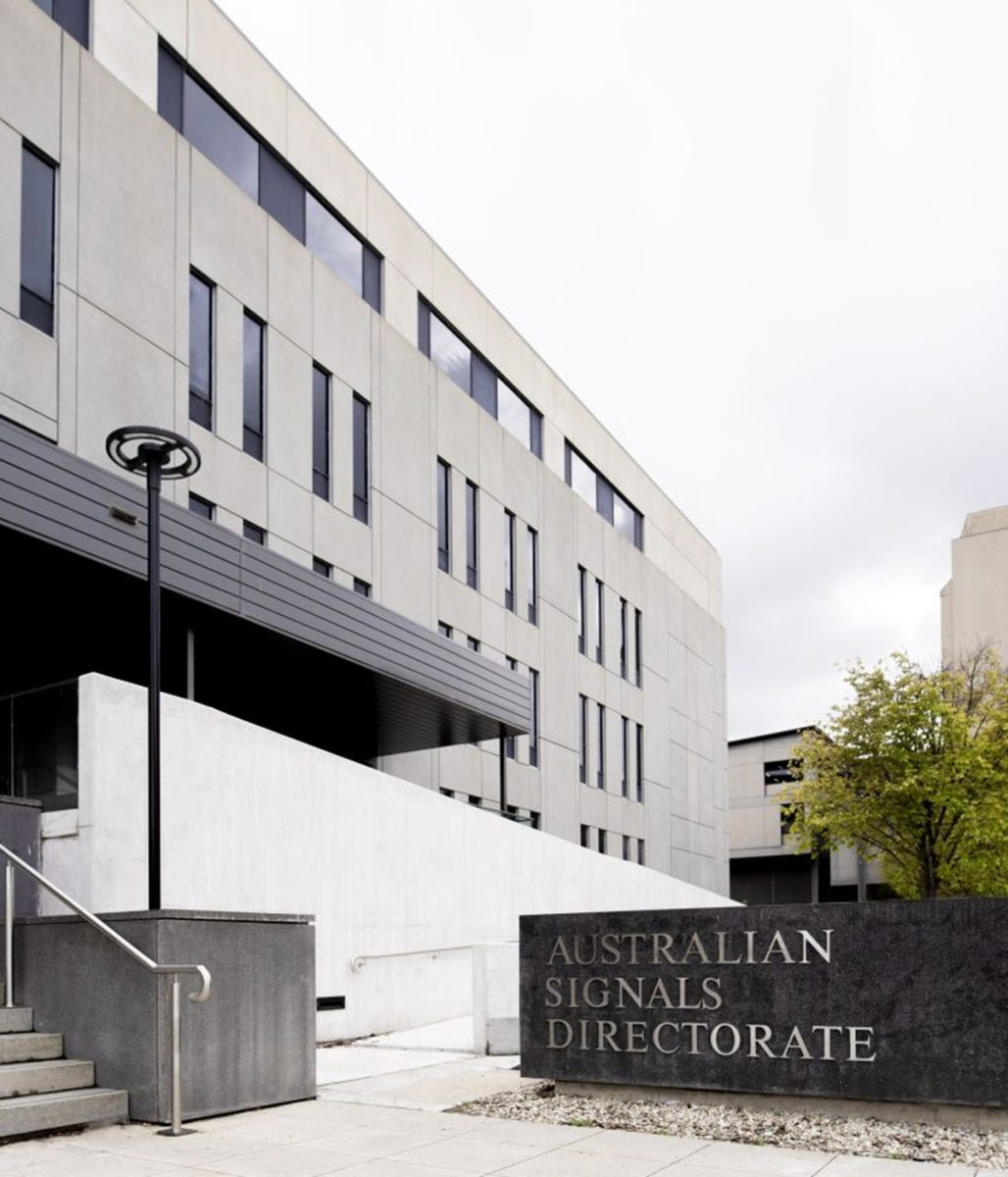
The Australian Signals Directorate’s Annual Cyber Threat Report shows the increasing use of AI in cyber threats. Photo: ASD.
The Federal Government has released the Australian Signals Directorate’s (ASD) Annual Cyber Threat Report for 2025-26, and it shows an increase in malicious cyber activity and incidents.
Produced by ASD’s Australian Cyber Security Centre (ACSC), the report recognises that artificial intelligence (AI) has increasingly been a key factor in the cyber threat landscape in the year to 30 June. It says the use of AI, more than ever before, has allowed malicious actors to identify and exploit vulnerabilities at a greater scale, speed and sophistication to conduct espionage, steal money and disrupt systems.
“Technology is evolving at accelerated rates and continues to impact cyber security in both positive and negative ways,” the ACSC says.
“Throughout FY2025-26, AI tools became more accessible, driven by a new generation of frontier AI models. These models have changed the game with speed and opportunity, but they have also generated significant uncertainty.
“The question is no longer whether organisations will face cyber threats, but how prepared they are to respond.”
The ACSC says the likelihood of cyber incidents has increased by more than 20 per cent over the previous year, and Australian organisations need to take action accordingly.
The ACSC also found that incidents of potential malicious cyber activity rose to more than 4400, almost 80 per cent more than last year, and the ASD responded to more than 1500 cyber security incidents, 300 more than last year and a spike of 36 per cent over the past five years.
While raising awareness of the increased use of AI in cyber incidents, ASD also said it could be useful in defending against such attacks.
“To respond effectively to these new threats, organisations must strengthen patching processes and adapt basic cyber security controls to remain resilient,” the report reads.
“Equally, the integration of AI tools into organisations’ security operations can facilitate the early detection of vulnerabilities, enhance software quality, monitor for unusual behaviour and improve incident response times.”
In the reporting period, the ACSC received more than 82,000 cybercrime reports, an average of one every six minutes, and answered more than 37,500 calls to the Australian Cyber Security Hotline, or 102 notifications a day.
In response, it published 76 alerts, advisories and publications on its cyber.gov.au website, including a range of joint products with international partners.

ASD’s Australian Cyber Security Centre received 82,000 cybercrime reports in 2025-26. Photo: ASD.
The report showed the growing impact of cybercrime on Australians and Australian organisations, with ASD’s Australian Protective Domain Name System processing more than 220 billion queries and blocking access to more than 564 million malicious domains last year.
It says the average self-reported cost of cybercrime remained at $33,000 for individuals, but rose more than 16 per cent to $93,500 for businesses.
The ACSC also says state-sponsored cyber actors have again targeted Australian organisations, primarily to gain access to sensitive or non-public information.
It says this activity extends beyond government networks, and includes critical infrastructure entities, private businesses and individuals.
“As the global security environment continues to deteriorate, state-sponsored cyber actors are increasingly seeking to pre-position within networks to enable future intelligence collection, disruption or access to higher-value targets at a time of their choosing,” it says.
“This trend is not confined to Australia and is evident in the context of multiple global conflicts currently underway. Cyber is normalised as a feature of conventional warfare.”
Minister for Defence Richard Marles said the Annual Cyber Threat Report reflected the fact that Australia continued to face a challenging strategic environment, with AI accelerating the scale, speed and complexity of cyber threats.
“AI is reshaping the online landscape, enabling cybercriminals and state-sponsored actors to launch faster, more sophisticated and scalable attacks,” Mr Marles said.
To stay ahead, Australians must enhance their cyber defences while harnessing AI’s benefits.
“The Annual Cyber Threat Report reinforces that government and industry must continue to work together to strengthen our collective cyber resilience and safeguard our critical digital infrastructure.”
Minister for Home Affairs and Minister for Cyber Security Tony Burke said cyber security had never been more important, and being under attack was certain, constant and ever-present.
“To keep people safe, we’re positioning Australia to respond to the evolving threats and opportunities presented by emerging technologies,’ Mr Burke said.
“That starts with protecting critical infrastructure and government systems, securing technology at its source and enabling people as our strongest defence to become Australia’s ‘human firewall’.”
In response to the report, the director of the Democracy Counts alliance Tom Mooney said although agencies were doing their job well in handling threats, the onus needed to be placed on tech companies to do the right thing in the first place.
“Artificial intelligence is not ungovernable,” Mr Mooney said. “Australia has a sovereign right to decide how these technologies are used here, and citizens have a democratic right for our leaders to shape the AI transition in a way that puts the public interest before all else.
“Our agencies report that they are working constructively with the companies developing frontier AI, and this presents a real opportunity for Australia to lead.
“The Australian Government needs to ensure companies that develop and deploy AI are accountable to Australians and subject to the law, and we have the opportunity to build a coalition of like-minded countries and tech companies to support establishment of such a regime.”