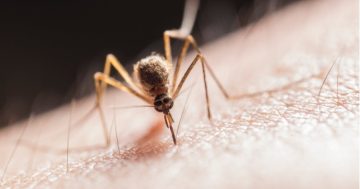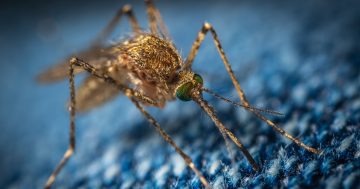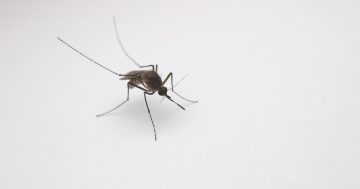

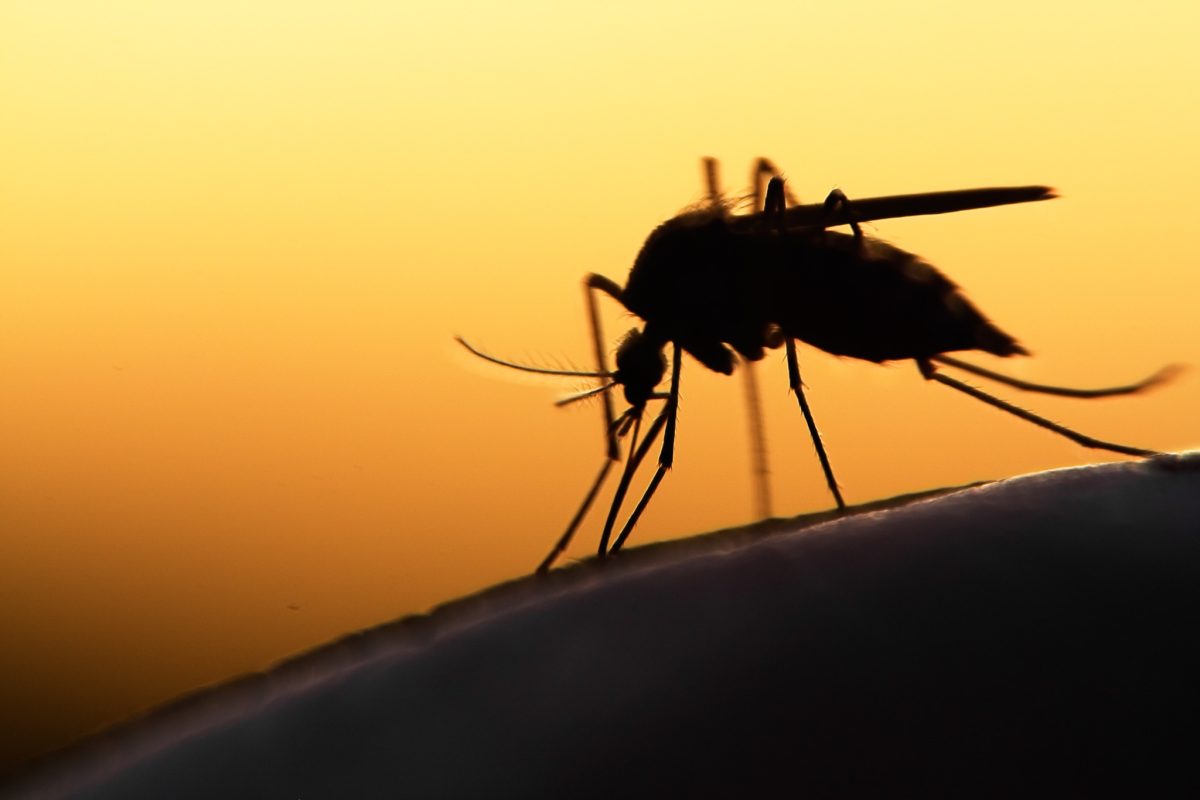
Mosquitos and possums are believed to play roles in transmitting Buruli ulcer. Photo: Southern NSW Local Health District.
Health authorities are urging caution after a rare bacterial infection was detected in southern NSW.
Buruli ulcer is caused by Mycobacterium ulcerans, which produces a toxin that damages the skin.
A Southern NSW Local Health District (SNSWLHD) spokesperson said a new case involving a southern NSW resident was recently confirmed.
There have now been six cases detected in southern NSW since 2021.
They said the source of this latest case was “under investigation”.
Of the cases detected in southern NSW, local transmission was confirmed for the first time in 2023.
The SNSWLHD spokesperson told Region that since January 2025 (when the infection became notifiable), three confirmed Buruli cases had been identified.
That number includes this case.
The spokesperson urged anyone with skin concerns they thought could be Buruli ulcer to seek medical attention.
“Buruli ulcer is curable with appropriate treatment, but early recognition and diagnosis are important to minimise skin damage.
“Anyone with a non-healing skin ulcer should see a doctor.”
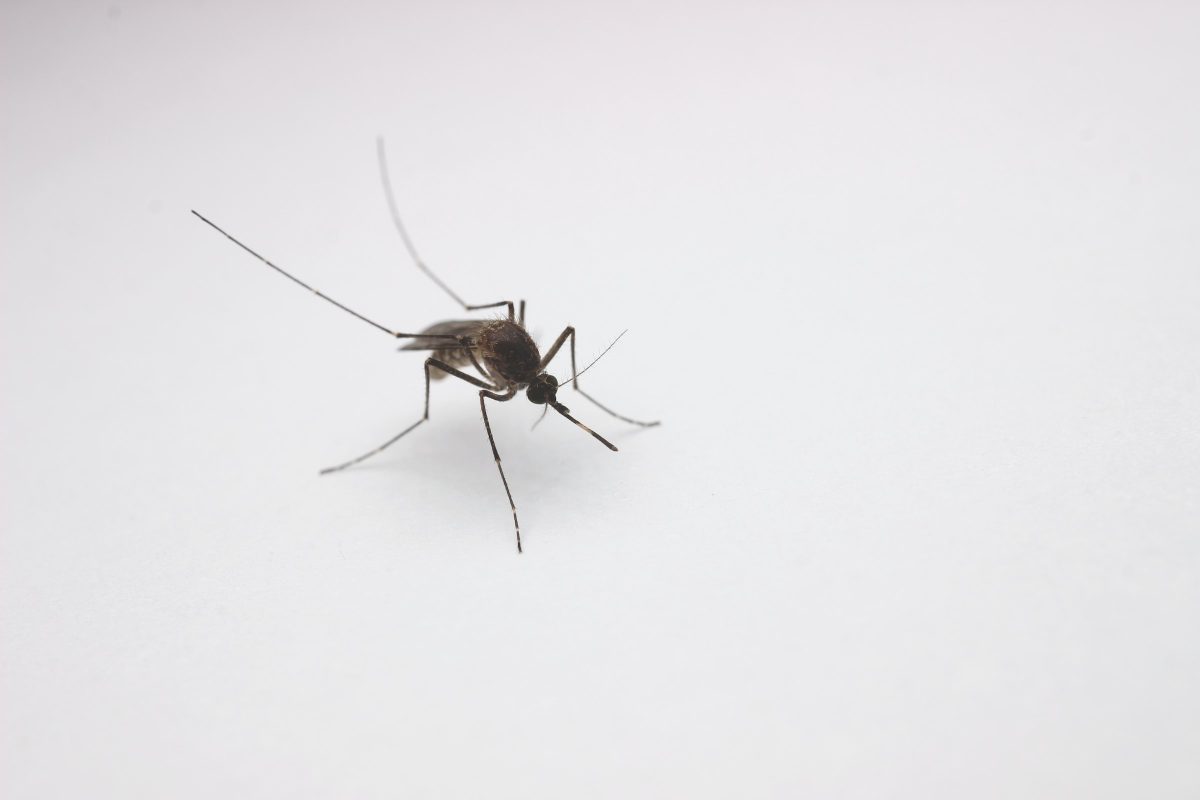
Other cases have been detected in Victoria, the Northern Territory and Queensland. Photo: NSW Health.
According to NSW Health, it’s not completely understood how humans become infected, but there is evidence that mosquitoes and possums can transmit the infection.
It is not believed that it can be transmitted between people.
A 2025 consensus statement published in the Medical Journal of Australia states that the incubation period between infection and the disease’s manifestation is normally about five months.
Most cases occur on people’s legs and arms and can be confirmed through a PCR test or a biopsy.
The guidelines also note that most cases are managed with patients taking antibiotics during a median healing time of 4.5 months.
Earlier this year, authorities also raised an alert around Japanese encephalitis (JE), a potentially fatal neurological illness.
At the time, they said it was circulating through parts of southern NSW.
Protection measures against both illnesses include preventing mosquito bites, by:
- Applying repellent to exposed skin, using repellents that contain DEET, picaridin or oil of lemon eucalyptus
- Reapplying repellent regularly (with sunscreen used first and then the repellent)
- Wearing light, loose-fitting long-sleeve shirts, long pants, socks and covered footwear
- Staying inside during peak mosquito times (especially dawn and dusk)
- Using insecticide sprays, vapour dispensing units and mosquito coils to repel mosquitoes (with mosquito coils only to be used outdoors in well-ventilated areas)
- Covering windows and doors with insect screens and checking that there are no gaps
- Removing items that may collect water from your home, reducing the places where mosquitoes can breed
- Protecting infants aged less than three months by using an infant carrier draped with mosquito netting that is secured along the edges
- While camping, sleeping under a mosquito net or using a tent that has fly screens to prevent mosquitoes entering.
More information on mosquito-borne diseases and how people can protect themselves and their families is available on the NSW Health website.
Original Article published by Claire Sams on About Regional.