
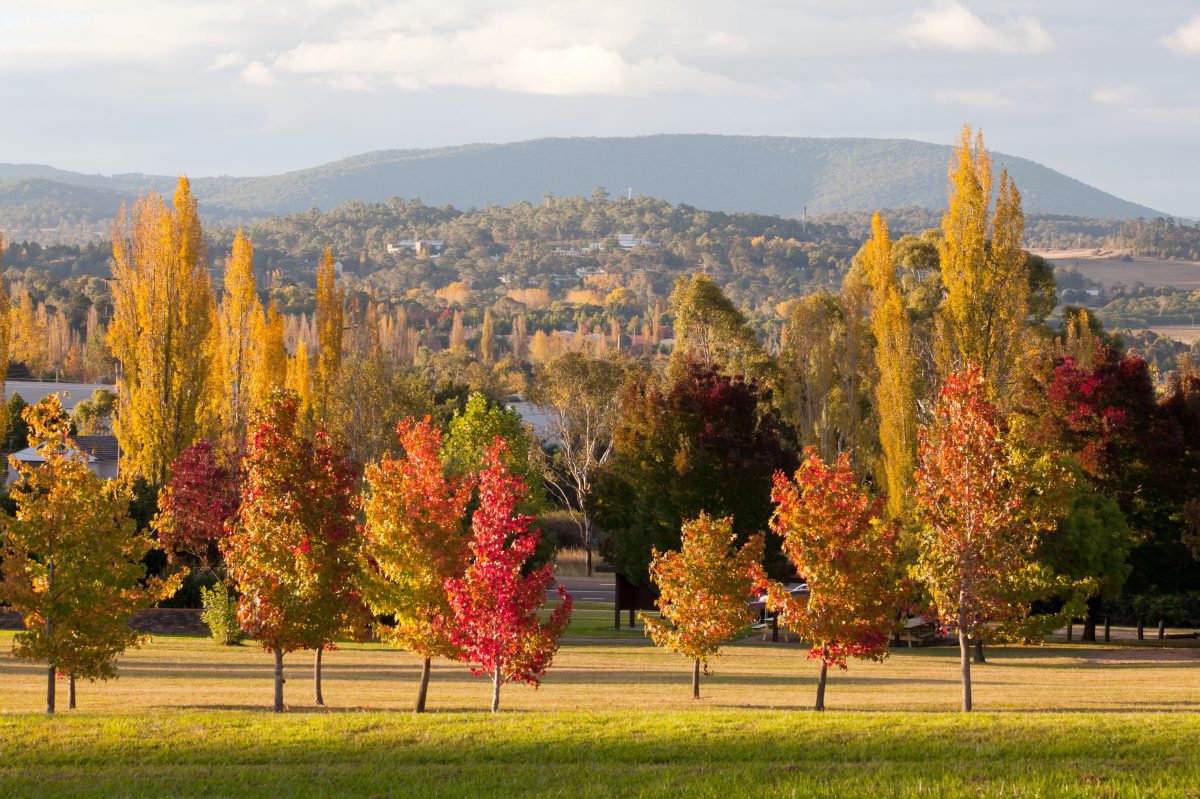
Armidale will benefit from a large battery program, with extra community funding injected as part of the agreement with the developer. Photo: Visit Armidale.
A large battery project near Armidale, with the capacity to supply 60,000 homes with energy during peak times, has been given the go-ahead for construction.
The project is the latest approved component of the growing network of Battery Energy Storage Systems (BESS), which support the transition to renewable power as coal-fired power stations go offline.
Armidale’s BESS, set to cost $209 million, will store excess power from the grid during non-peak periods.
The 150 megawatt/437 megawatt-hour battery will then ramp up when households need power during the peak times of evening and morning.
The NSW Government estimates that the project will create 100 construction jobs and provide the Armidale Regional Council with more than $2.5 million to invest in community projects.
Developer Valent Energy will provide the council with a lump-sum payment of $1.275 million through a Voluntary Planning Agreement (VPA) in addition to a further injection of $1.275 million over the life of the project.
“Large-scale batteries are key to a stronger, more reliable energy network,” Minister for Planning and Public Spaces Paul Scully said.
“This is a major capital investment, creating jobs and providing Armidale Regional Council with more than $2.5 million to invest in local community projects over the next 20 years.
“Over the next decade, regional councils will receive hundreds of millions of dollars to spend on their communities following the Minns Labor Government’s introduction of community benefit sharing requirements for renewable energy projects.”
VPAs between renewable energy developers and regional councils often go towards funding for community halls, sporting facilities, parks, libraries and playgrounds.
Valent has also committed to annual contributions of $400,000 for the maintenance and improvement of the New England Rail Trail over the next 20 years.
The Department of Planning, Housing and Infrastructure said the project was designed to avoid and minimise environmental, noise and visual impacts. It said potential fire risk and road safety issues had been addressed.
Forty renewables projects have been approved under the Minns Government, including 17 large-scale batteries.